Self-hosted Claude Managed Agents still calls a separate model provider
The November 12 release moves the agent service and session storage onto your infrastructure. Understand what stays remote, what must be rebuilt, and when hosting only the sandbox is enough.
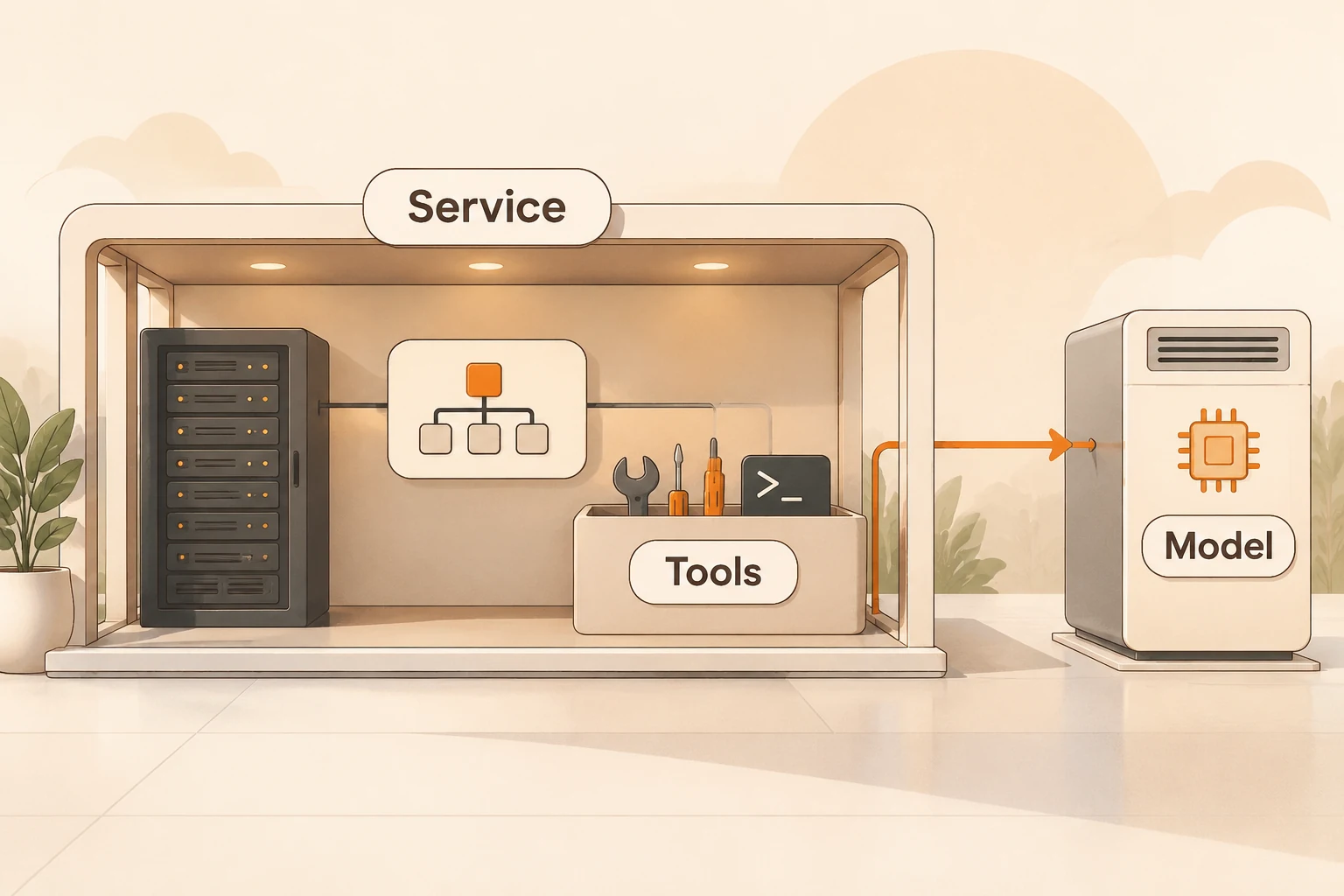
On November 12, Anthropic announced self-hosted Claude Managed Agents. Teams can now operate the service that exposes the API, runs the agent loop, and stores sessions, as well as the sandboxes that execute tools.
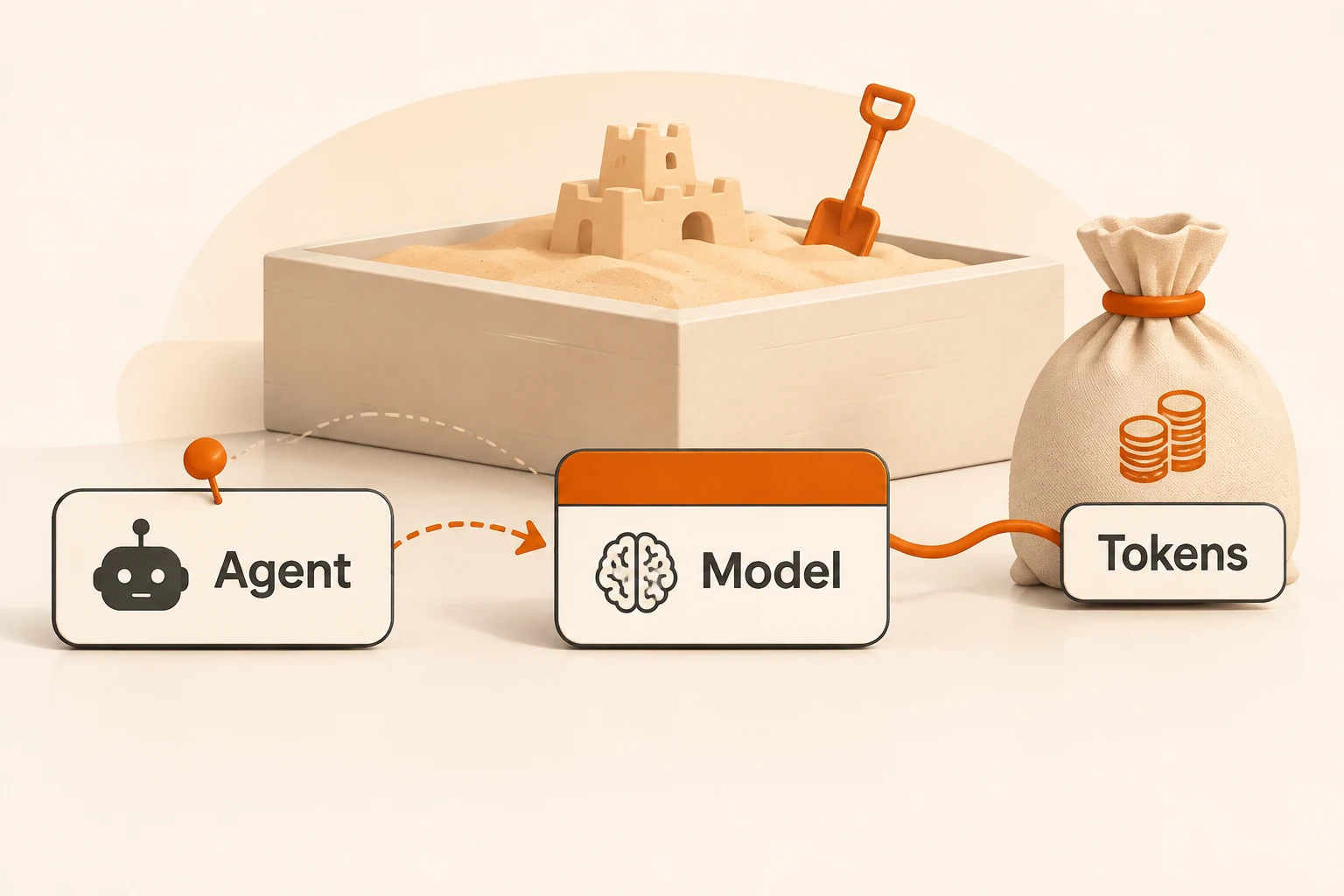
The useful distinction is where the service runs. Inference still happens at the provider you select, with Anthropic as the default. Hosting the agent service does not supply Claude's model weights or keep every request inside your network.
This article reviews the official release notes and self-hosting documentation as of November 16, 2026. Access currently requires contacting your Anthropic account team. We have not downloaded the restricted distribution, deployed it, or validated an Nbility integration.
Decide which component needs to move
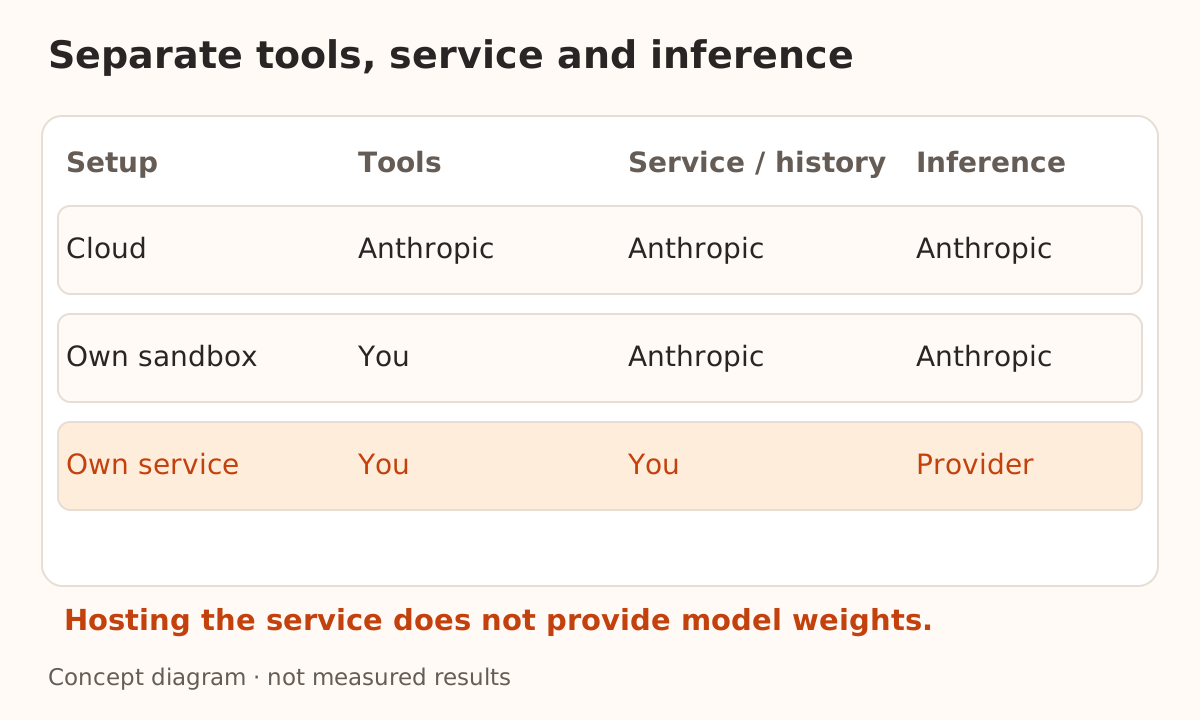
Managed Agents combines several responsibilities that can be hosted separately:
| Option | Tool sandboxes | Agent service and session storage | Inference |
|---|---|---|---|
| Default cloud setup | Anthropic | Anthropic | Anthropic |
| Self-hosted sandboxes | Your infrastructure | Anthropic | Anthropic |
| Self-hosted Managed Agents | Your infrastructure | Your infrastructure | Anthropic or your configured provider |
If commands simply need to execute on your machines, self-hosted sandboxes may meet the requirement. If session history must also live in your database, consider the whole service. Running model inference locally is a separate decision involving weights, serving software, hardware, and licensing; the open-weight deployment article covers that work.
An API gateway does not replace an agent service either. The LLM gateway architecture guide explains the model-access layer. Session progression, tool execution, and working files still need an owner.
Local storage does not settle every data question
In the documented architecture, cma-server serves the API, runs the agent loop, and stores data. Workers collect jobs and run shell and file tools in sandboxes. The server does not execute those tools itself.
Persistent storage requires PostgreSQL 16 or later. Without a database, the server uses memory and loses its data on restart.
For each inference call, the server sends the conversation, including tool inputs and results, to the selected provider. Calls to the default Claude API also carry session, agent, and environment IDs. Review the actual paths:
- messages and attachments sent by your application;
- files read by workers and tool results returned to the service;
- conversation data sent onward for inference;
- external systems contacted directly by tools.
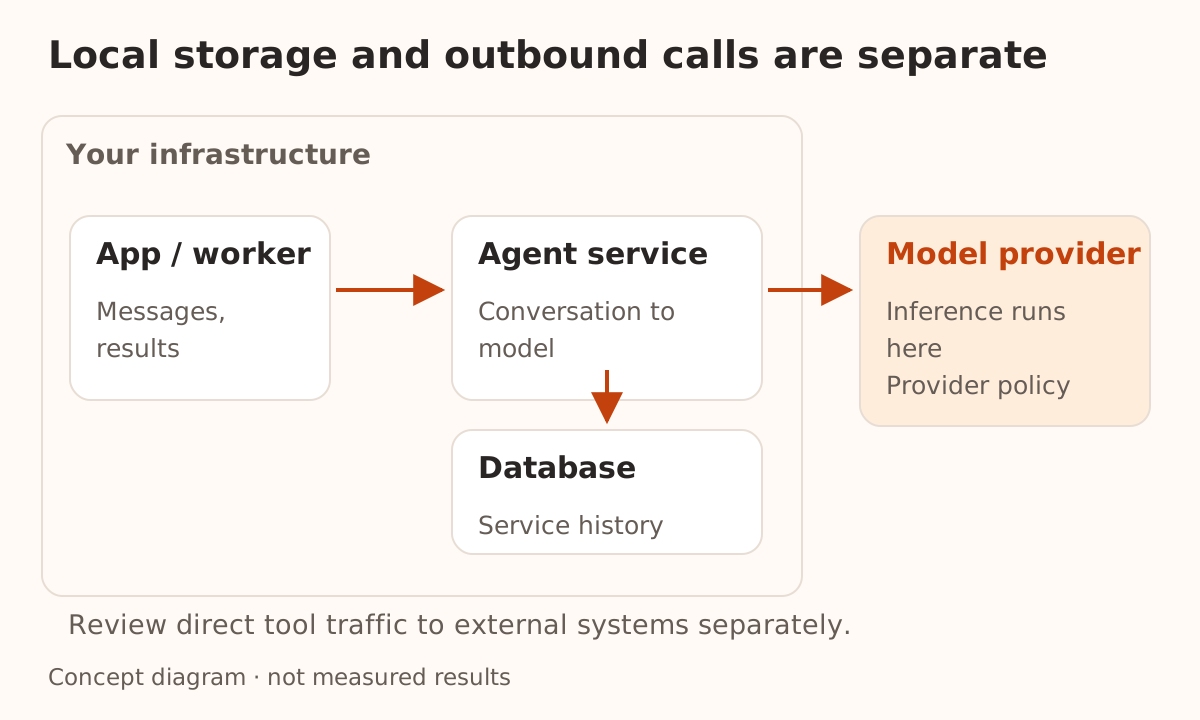
“History is stored in our database” answers only part of the question. Provider policies, outbound tool traffic, and backups need their own review. The support-log guide suggests how to preserve useful diagnostic context without copying entire prompts.
The same API still has migration exceptions
Read the hosted-service differences before planning capacity. The self-hosted server does not expose the ordinary Messages, Models, or Files APIs. Pointing a general SDK client at it makes /v1/messages and /v1/models return 404. Those calls need a separate client targeting your inference provider.
Nothing is automatically copied from the hosted service, including session history. Agents, skills, credentials, and memory stores must be recreated. Prebuilt document skills, scheduled deployments, Dreams, and webhooks also have availability differences or require substitutes.
Map each existing dependency to an explicit destination:
| Existing dependency | Migration decision |
|---|---|
| Hosted history and resources | What to export or rebuild, and how to check completeness |
| Cloud tool environments | Where workers run and how they collect work |
| Webhook activation | Who maintains event streaming or polling |
| Scheduled sessions | Which scheduler handles overlap and failure |
| Model access | Provider, protocol, model mapping, and eligibility |
A successful session-creation request is too narrow an acceptance test for this move.
Workers bring an isolation responsibility
The documentation explicitly warns that the worker's bash tool is a real shell with the worker process's permissions and network access. The worker itself does not isolate it. That boundary comes from the surrounding container, pod, or VM. A manually started worker belongs in a disposable environment containing nothing important.
Begin with public sample data: submit a read-only task, check collection by the worker, return a tool result, observe the model continue, and verify history after a restart. Inspect failed tasks for access beyond the intended filesystem and network scope. These are proposed checks; we have not run them. The tool-permissions article provides a useful framework for the execution controls.
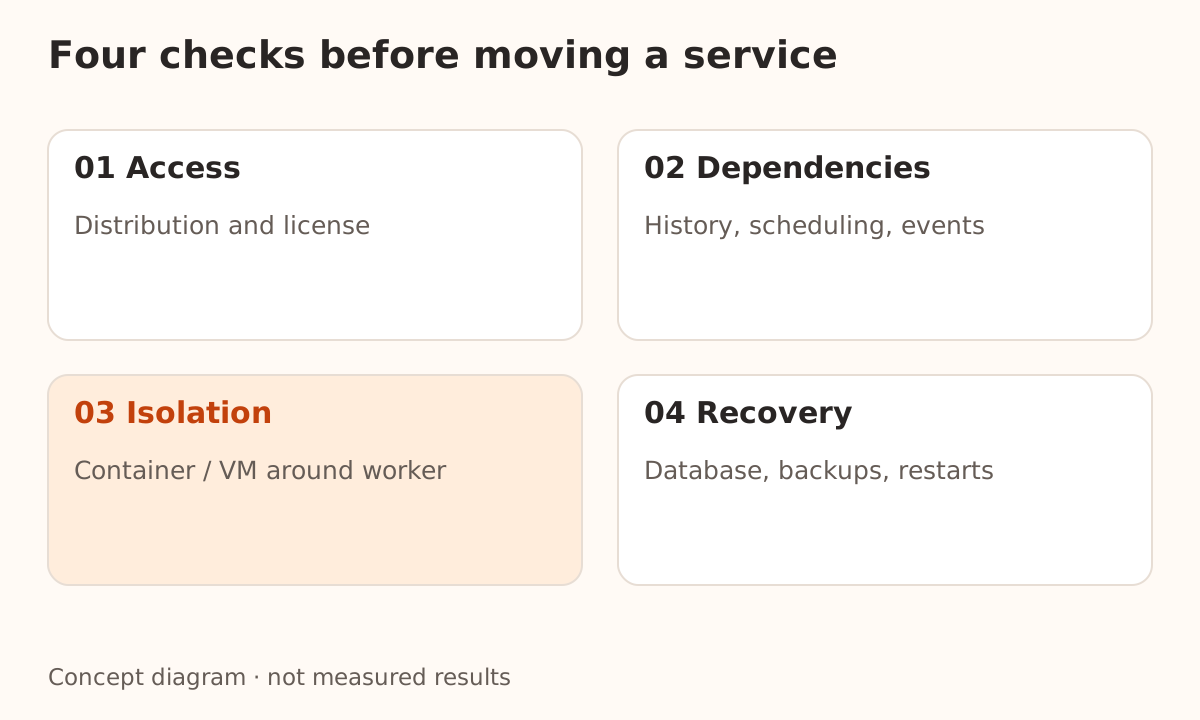
The service supports sending inference requests to a model gateway, with formats including anthropic-messages. An Nbility deployment would still need to validate complete conversations, tools, and special fields against the Claude compatibility documentation. This article does not establish that integration. Choose the full service when owning orchestration and history justifies taking on its upgrades, backups, and incident handling.
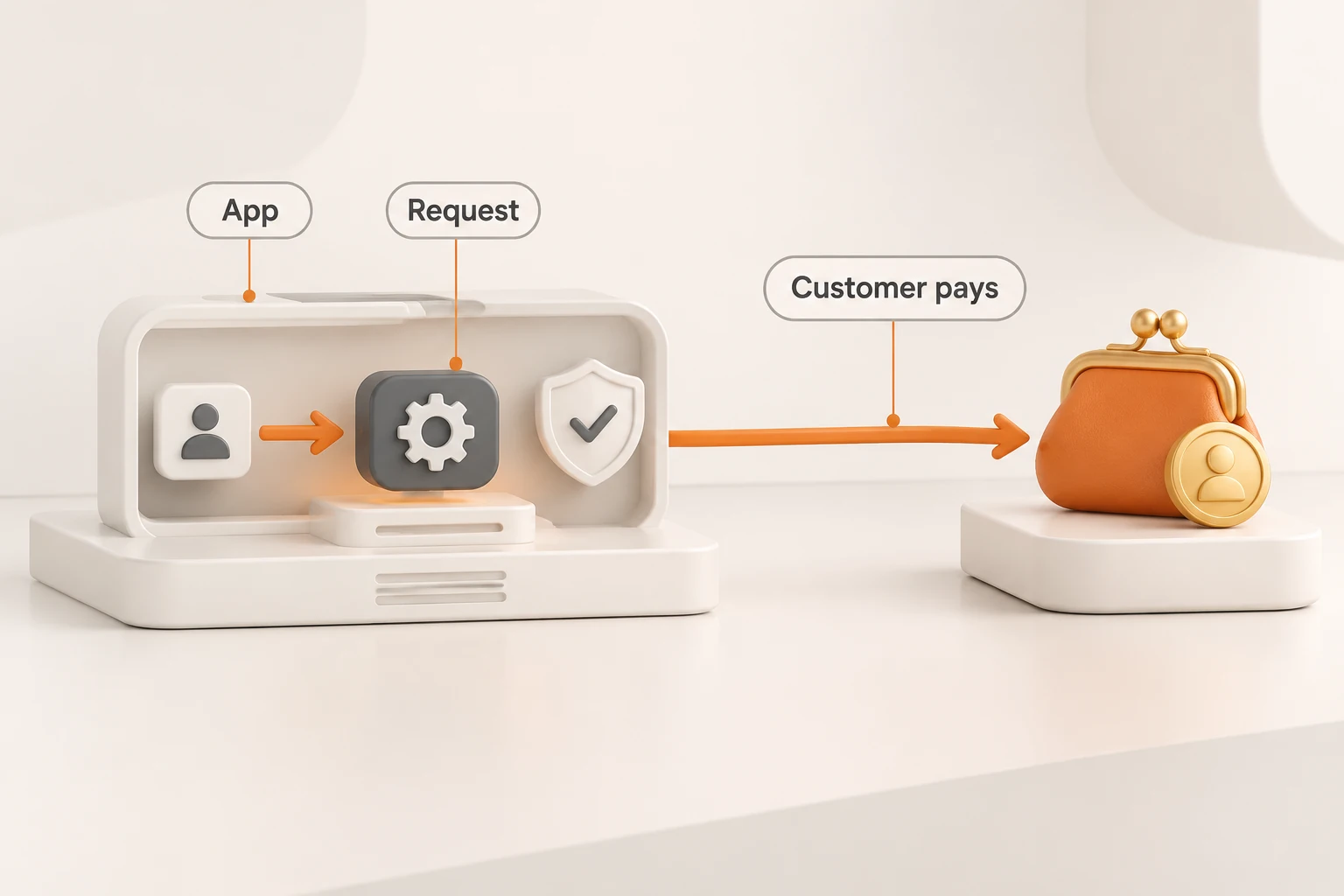
If a customer wants to fund usage through its own organization, review Linked billing and its policy boundaries. It changes the payer while requests stay in the app organization; it does not replace self-hosting or the customer’s data arrangements.