GLM-5.3 and Flash Differ in More Than Speed
Compare the foundations, input modalities, reasoning settings, and weight licenses of GLM-5.3 and GLM-5.3-Flash before choosing a coding or deployment path.
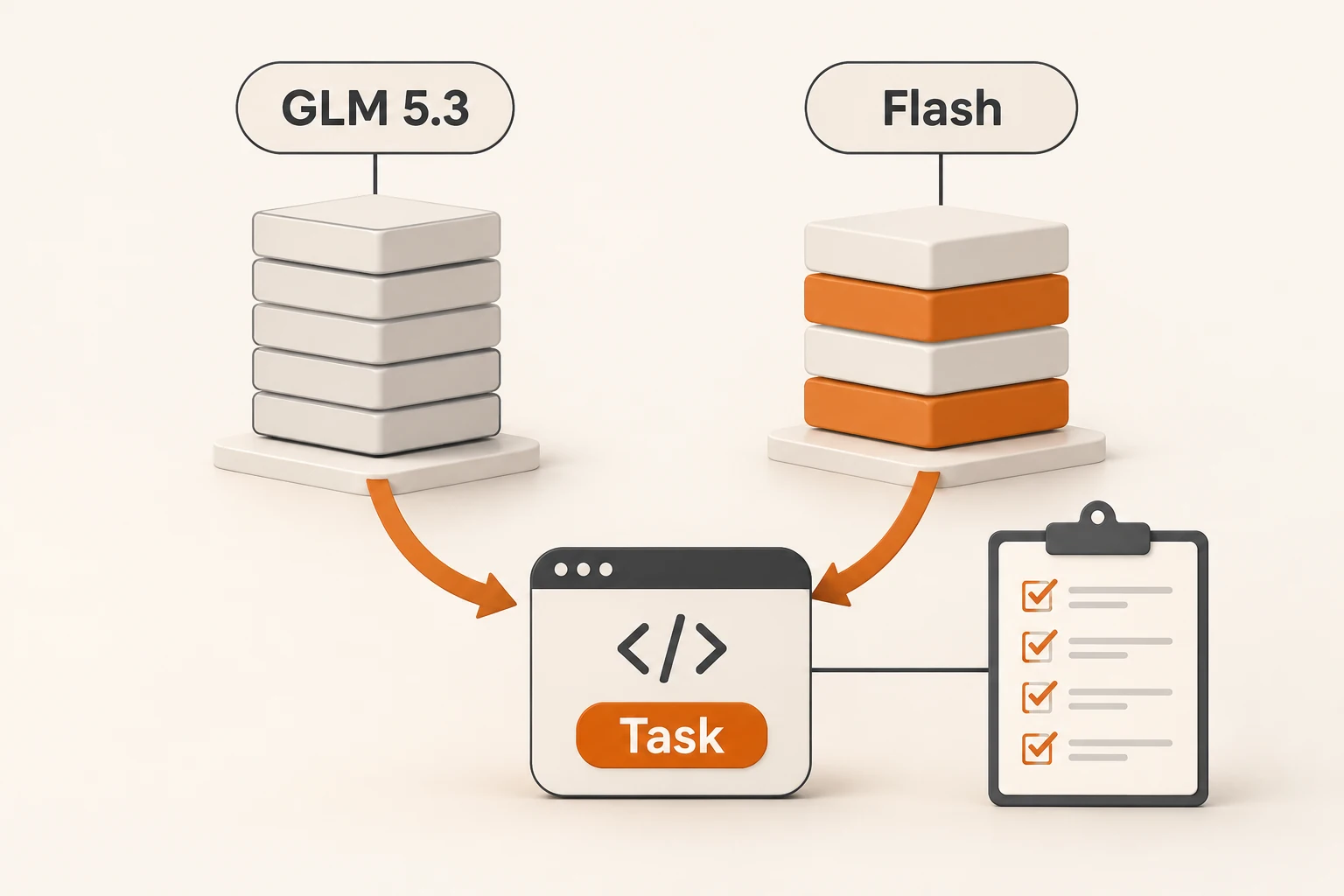
GLM-5.3 and GLM-5.3-Flash are not simply a flagship model and its faster setting. Current official sources describe different foundations, input capabilities, and weight licenses. Those differences matter directly to teams working from screenshots or planning to serve the weights themselves.
We checked the official repository, 5.3 documentation, and Flash documentation on November 12, 2026. The two release blogs still did not yield readable bodies, so this is not presented as launch-day news. We did not deploy either checkpoint or compare task performance.
Two foundations behind the shared generation name
Z.ai says GLM-5.3 retains GLM-5.2's base model, with improvements coming from post-training: further training of task behavior, tool use, and responses to feedback.
Flash begins with a newly trained base. It combines sparse and linear attention and introduces mHC. These are changes to how the model handles context and how it is trained. Z.ai emphasizes serving efficiency; that does not establish the latency, hardware count, or savings of a particular application.
| Current official material | GLM-5.3 | GLM-5.3-Flash |
|---|---|---|
| Foundation | GLM-5.2 base | Newly trained base |
| Parameters | 744B total, 40B active | 320B total, 18B active |
| Input | Text-only in current API docs | Images, video, text, and files in current docs |
| Output | Text | Text |
| Weight license | Custom GLM-5.3 license | MIT |
Counts come from the repository's download table and model cards. Active parameters describe computation, not the total weight memory a server must accommodate. Precision, full weights, context, concurrency, and engine overhead remain relevant. The open-weight deployment article explains that distinction.
Visual work starts with the input contract
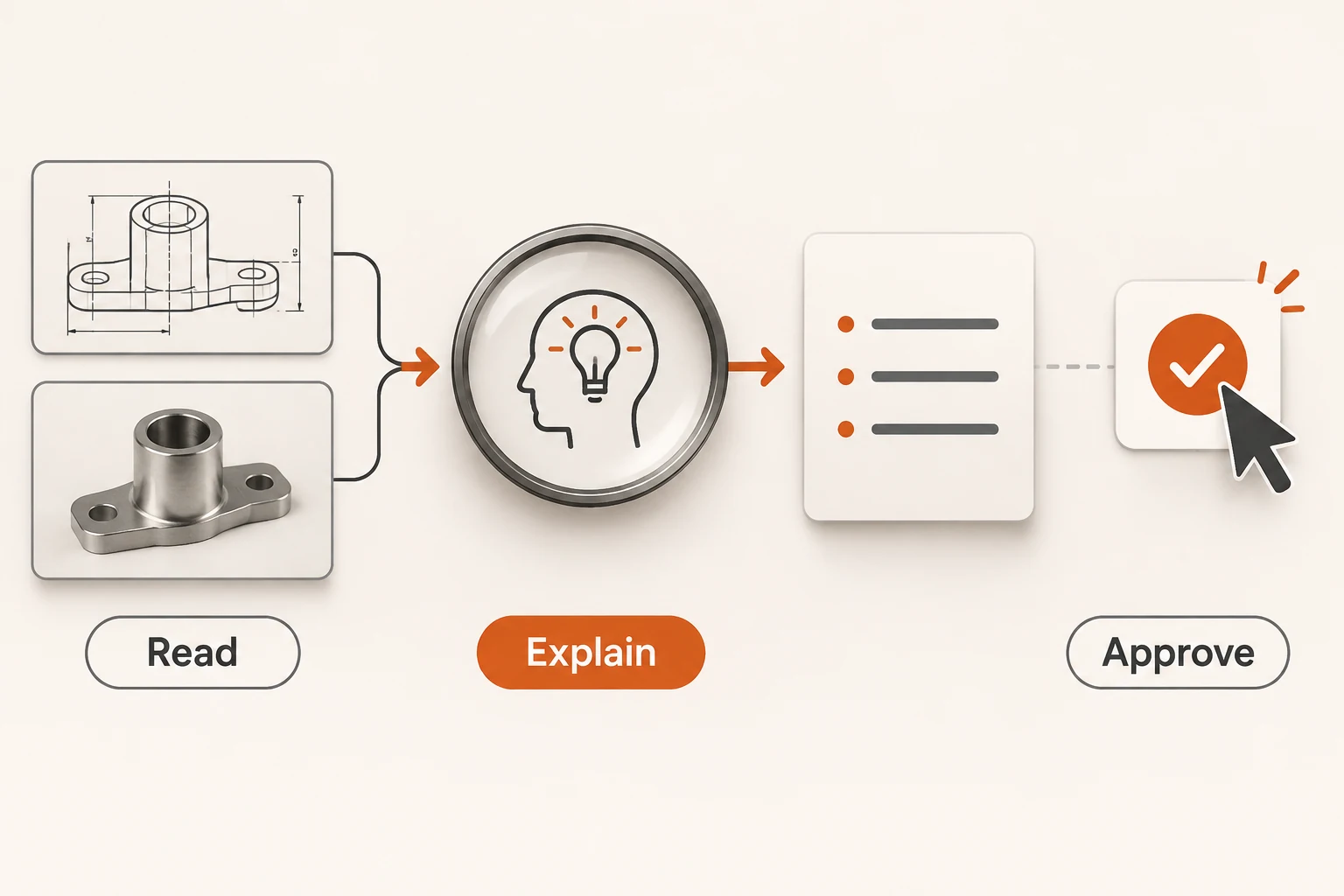
GLM-5.3's current API documentation specifies text-only input. Flash incorporates visual feedback into coding, including interface screenshots and rendered results. Both return text directly. A host can use that text to create files, edit code, and execute tools; those actions depend on the host rather than becoming additional direct output modalities.
For backend work, start with a public project and ask a candidate to explain a call path, change one defined behavior, and report verification. For screenshot-driven work, establish image input support first, then inspect the rendered application instead of accepting its description of the screenshot.
The Flash page also describes FlashX. Its advertised speed should not be assigned to ordinary Flash, and subscription quotas should not be mistaken for metered API pricing. Keep model, channel, and plan separate; see model identities and capabilities.
Reasoning settings are model-specific
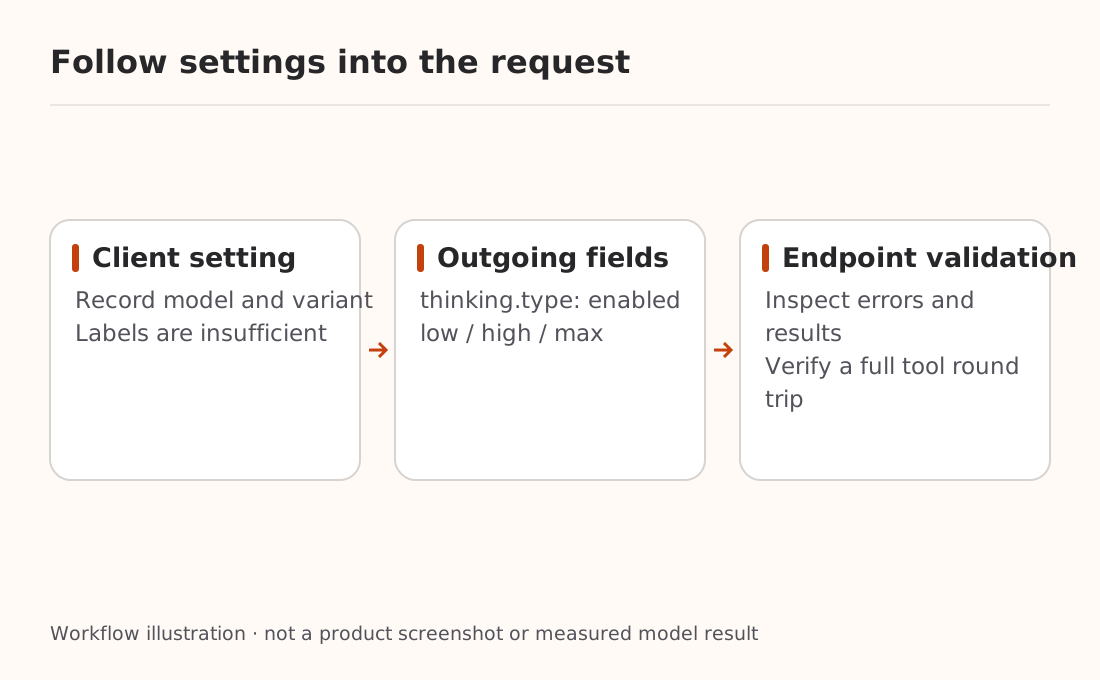
Current materials list low, high, and max for reasoning_effort. GLM-5.3 always uses reasoning. Its migration note says applications using thinking.type: "disabled" must change it to enabled; choose low explicitly for lighter reasoning.
This is an unexecuted request fragment from the GLM-5.3 documentation, not a complete request:
{
  "model": "glm-5.3",
  "thinking": {"type": "enabled"},
  "reasoning_effort": "low"
}
Do not assume another model's medium value works here. For local templates, the repository says missing or unrecognized effort values fall back to max. Hosted services may enforce their own validation. An apparently moderate value does not guarantee moderate reasoning.
Likewise, distinguish local chat-template guidance for clear_thinking from hosted API guidance. The repository and Flash API guide give different recommendations for different contexts; combining them into a universal default loses that context. The OpenCode parameter investigation offers a transferable method: inspect the actual outgoing fields and the receiving endpoint's response.
Read each checkpoint's license
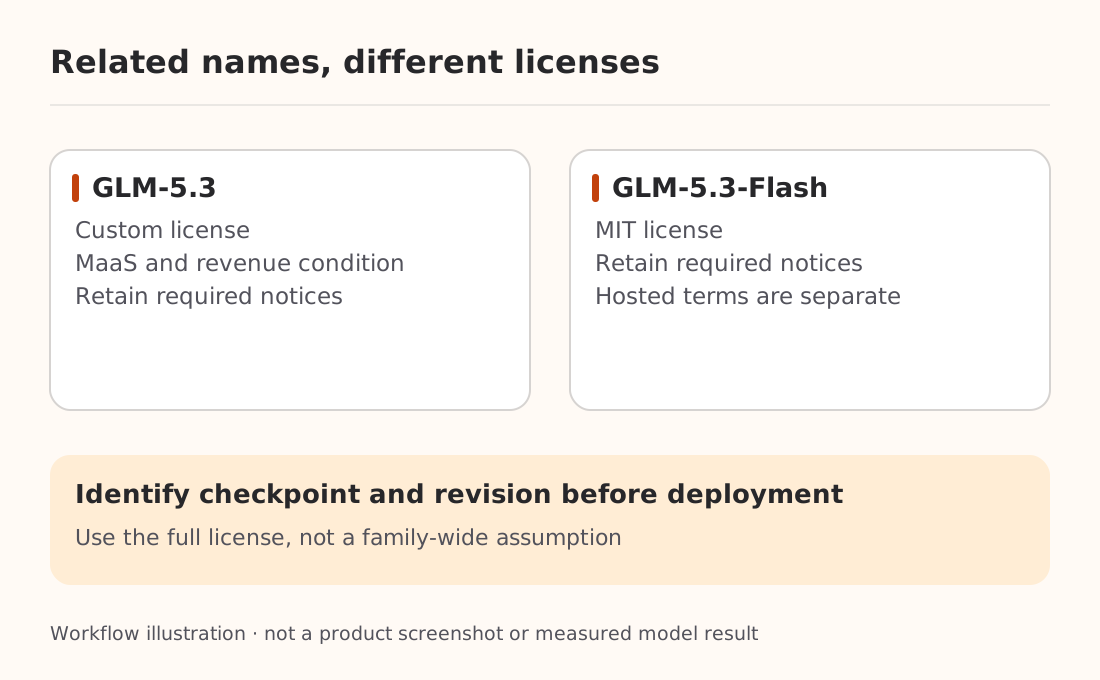
The GLM-5.3 license adds a condition for a licensee or affiliate operating a Model-as-a-Service business when their aggregate revenue exceeds US$10 billion over any consecutive twelve months. Commercial use of the software or derivatives then requires Z.AI's security review. The license defines MaaS and excludes specific-feature embedding and mere relaying to models hosted by others.
That condition involves the licensee, affiliates, business activity, and aggregate revenue. It is neither a test of one product's revenue nor a universal application requirement. Copyright and permission notices still need to be retained as required.
The Flash license is MIT. A shared model family does not imply identical licenses. A checkpoint license also differs from the service contract governing hosted API access.
Choose around a concrete deliverable
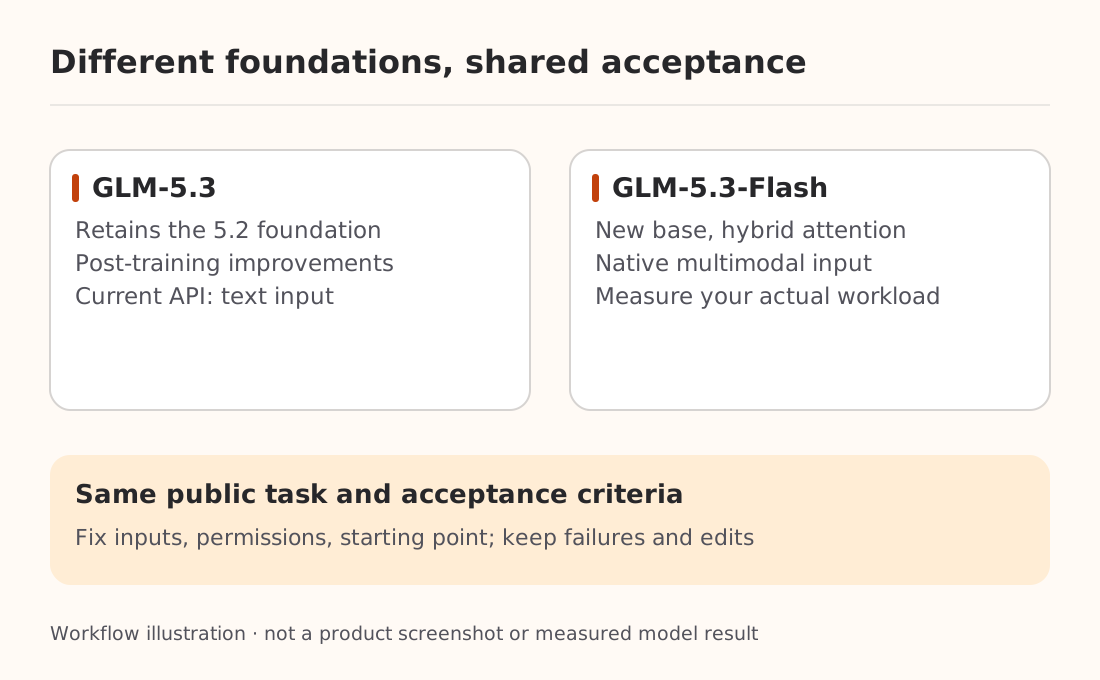
First decide whether visual input is required, then whether you need hosting or self-deployment. Give candidates the same public starting point and completion conditions. Retain failures, human corrections, and tool records. The comparison above describes contracts, not an independent quality ranking.
For Nbility, verify the IDs your token can use through the model catalog guidance. An upstream announcement does not establish availability in every group. For self-hosting, pin the checkpoint, license, engine, and template, then check text, required visual inputs, and complete tool round trips. Those records support a choice tied to actual work.