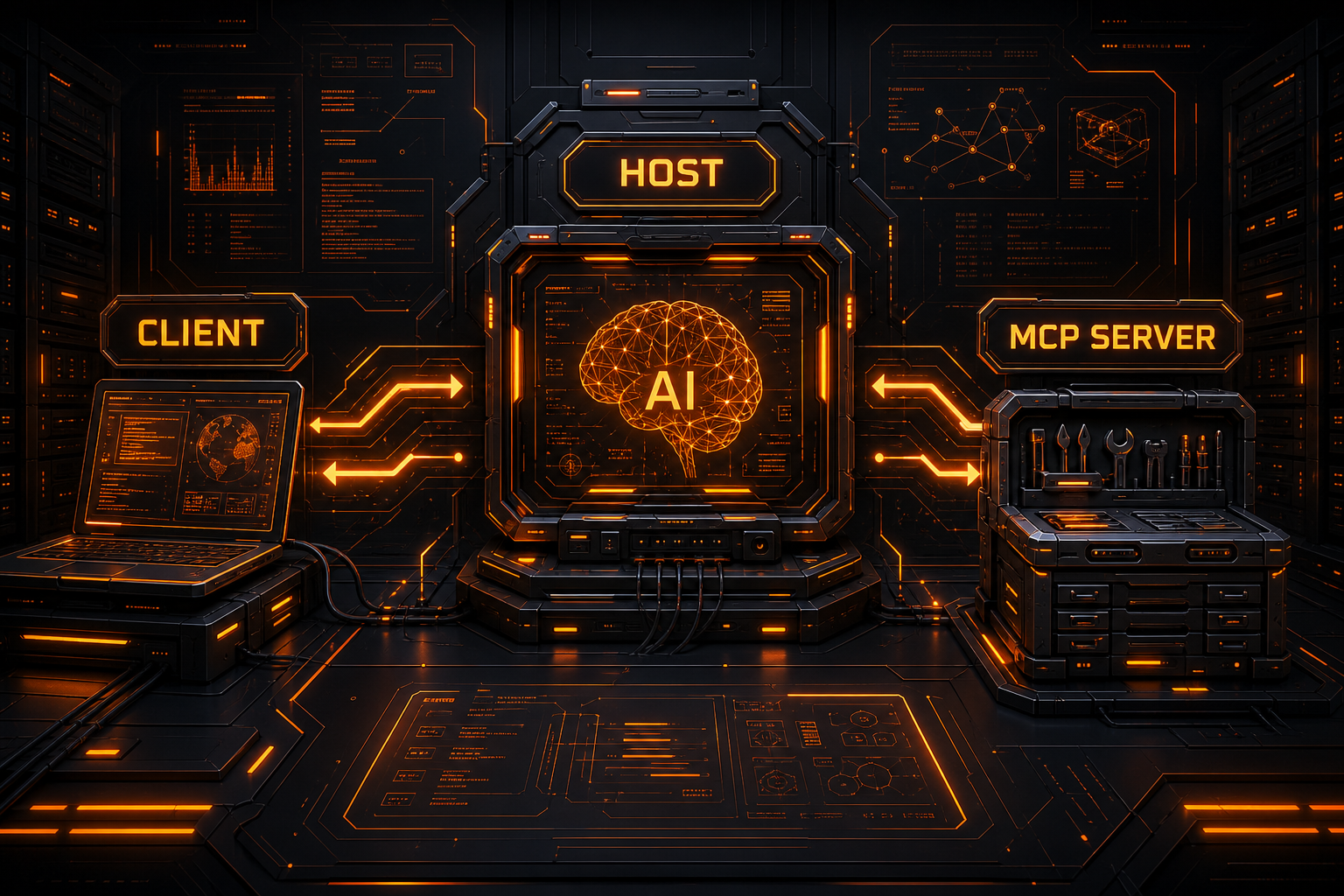
What Is MCP? Host, Client, and Server Explained with a Real Tool Call
MCP is not a model API or merely a plugin system. Follow a real order lookup to understand MCP hosts, clients, servers, JSON-RPC, stdio, and Streamable HTTP.
Articles about AI Agents, model APIs, developer-tool integration, and Nbility workflows.
#Nbility

MCP is not a model API or merely a plugin system. Follow a real order lookup to understand MCP hosts, clients, servers, JSON-RPC, stdio, and Streamable HTTP.

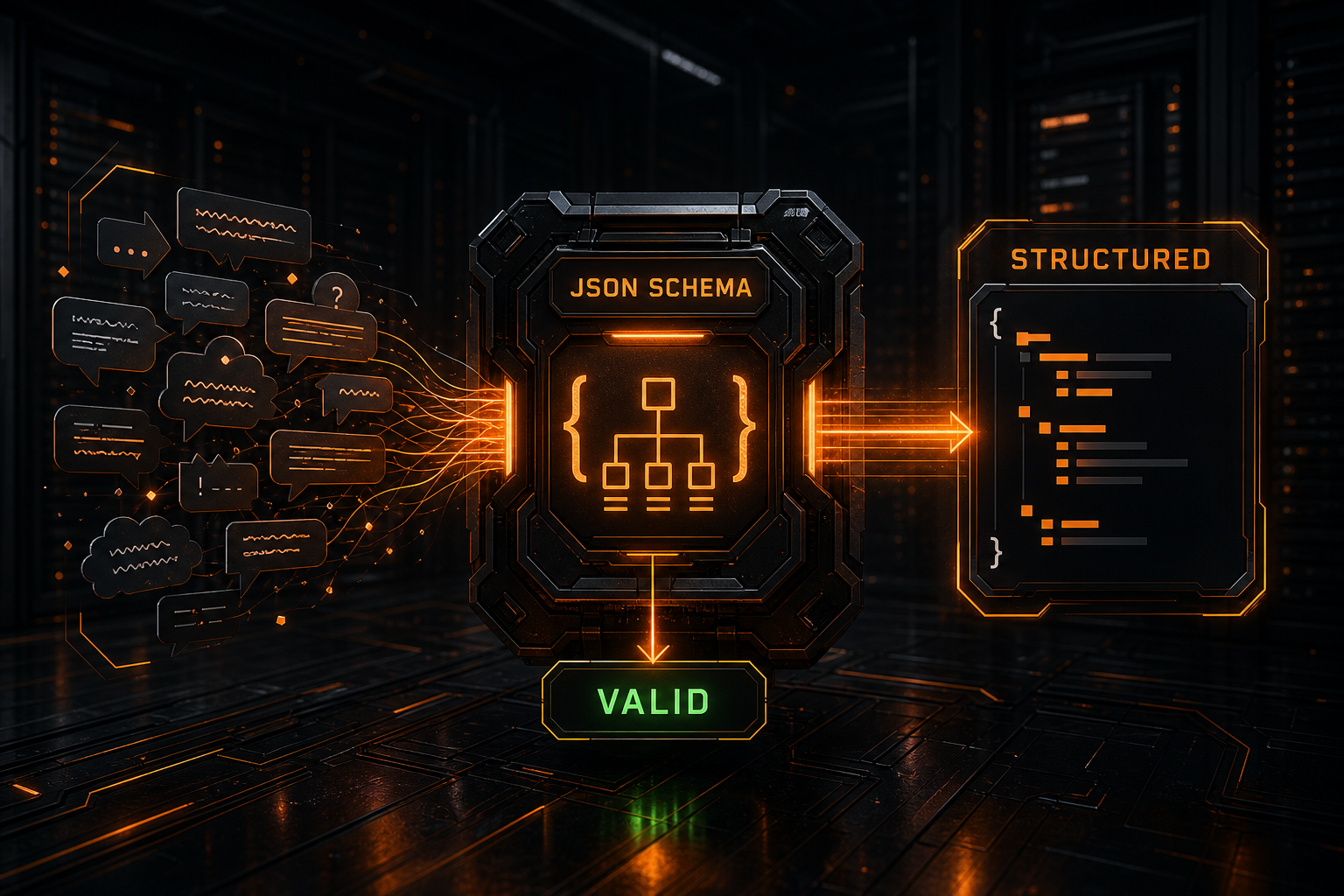
Stop malformed or inconsistent AI JSON. Learn the difference between JSON mode and schema-constrained output, with OpenAI, Claude, and Gemini examples plus validation and retry patterns.

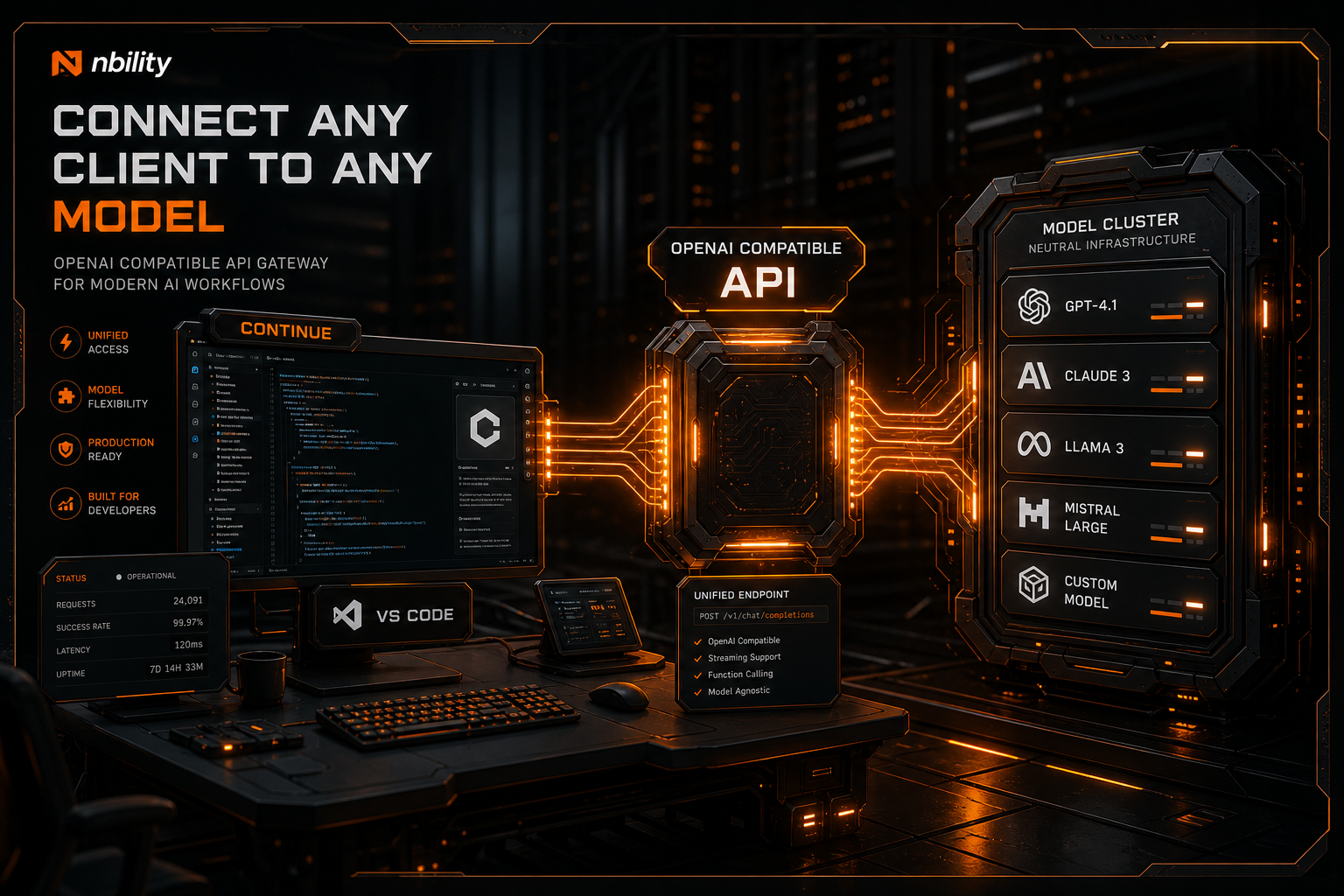
Configure Continue 2.0 in VS Code with config.yaml, an OpenAI-compatible apiBase, API key, model roles, and fixes for Chat, Edit, Autocomplete, and Responses API issues.

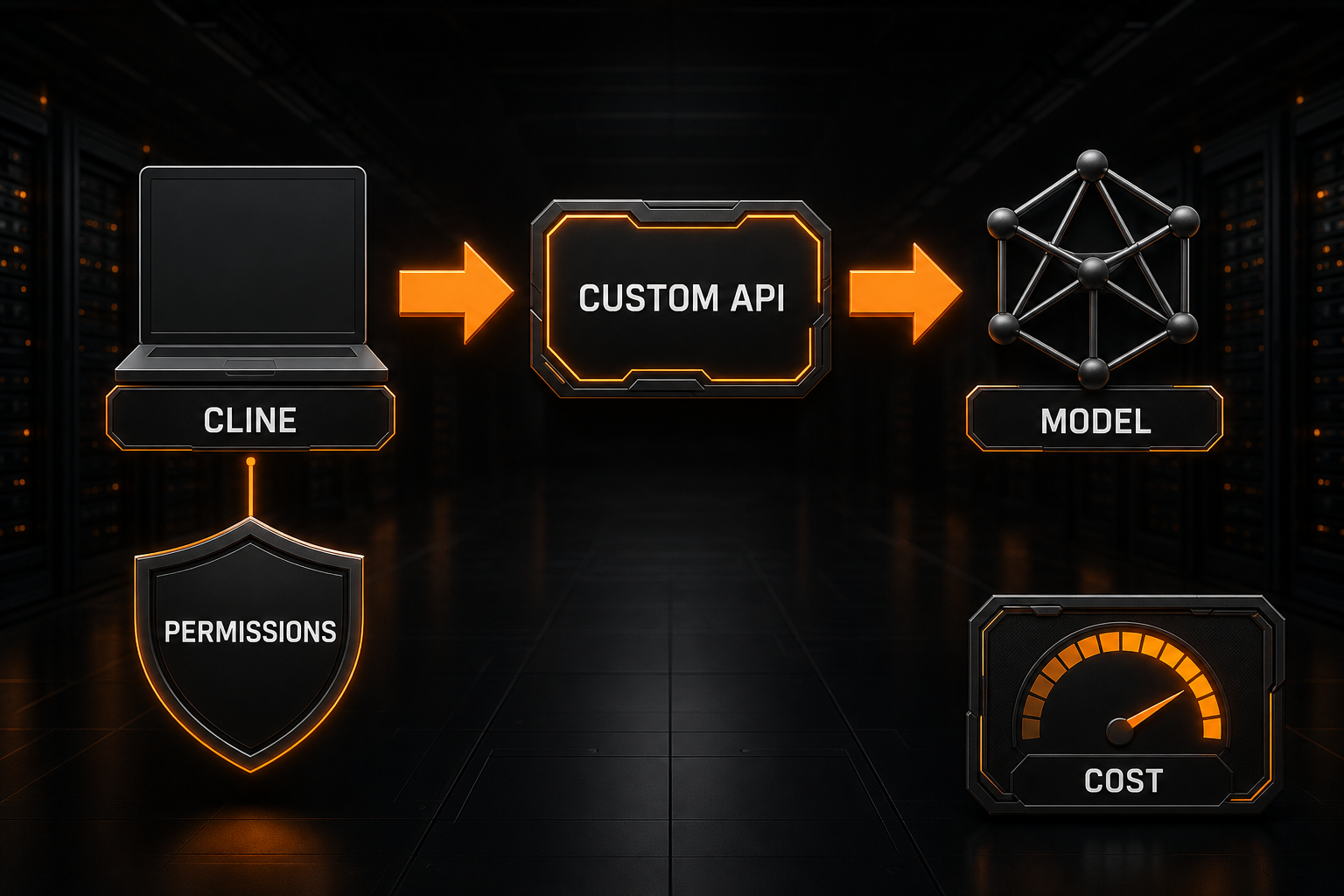
Set Cline’s OpenAI Compatible provider, Base URL, API key and model ID. Verify chat and tool calls, then configure permissions and token limits.

Compare Claude Code, Codex, Cursor, and OpenCode across interfaces, models, custom APIs, automation, permissions, cost, and real developer workflows.

Install Qwen Code, configure an OpenAI-compatible Base URL, API key, and model in settings.json or environment variables, then validate and troubleshoot your first agent task.

Install Codex CLI, configure config.toml and auth.json for an OpenAI-compatible endpoint, choose a model, verify the connection, and fix common API errors.

Configure Claude Code with Nbility using ANTHROPIC_BASE_URL, ANTHROPIC_AUTH_TOKEN, settings.json, model selection, and practical fixes for 401, 404, 429, and timeout errors.

A practical Node.js / JavaScript guide to using Nbility as an OpenAI-compatible API: environment variables, the openai npm SDK, CLI tools, Express endpoints, streaming output, error handling, logging, and launch checks.

A practical Python developer guide for using Nbility as an OpenAI-compatible API: environment variables, openai-python setup, Chat Completions, streaming output, timeouts, retries, error classification, logging, and cost control.
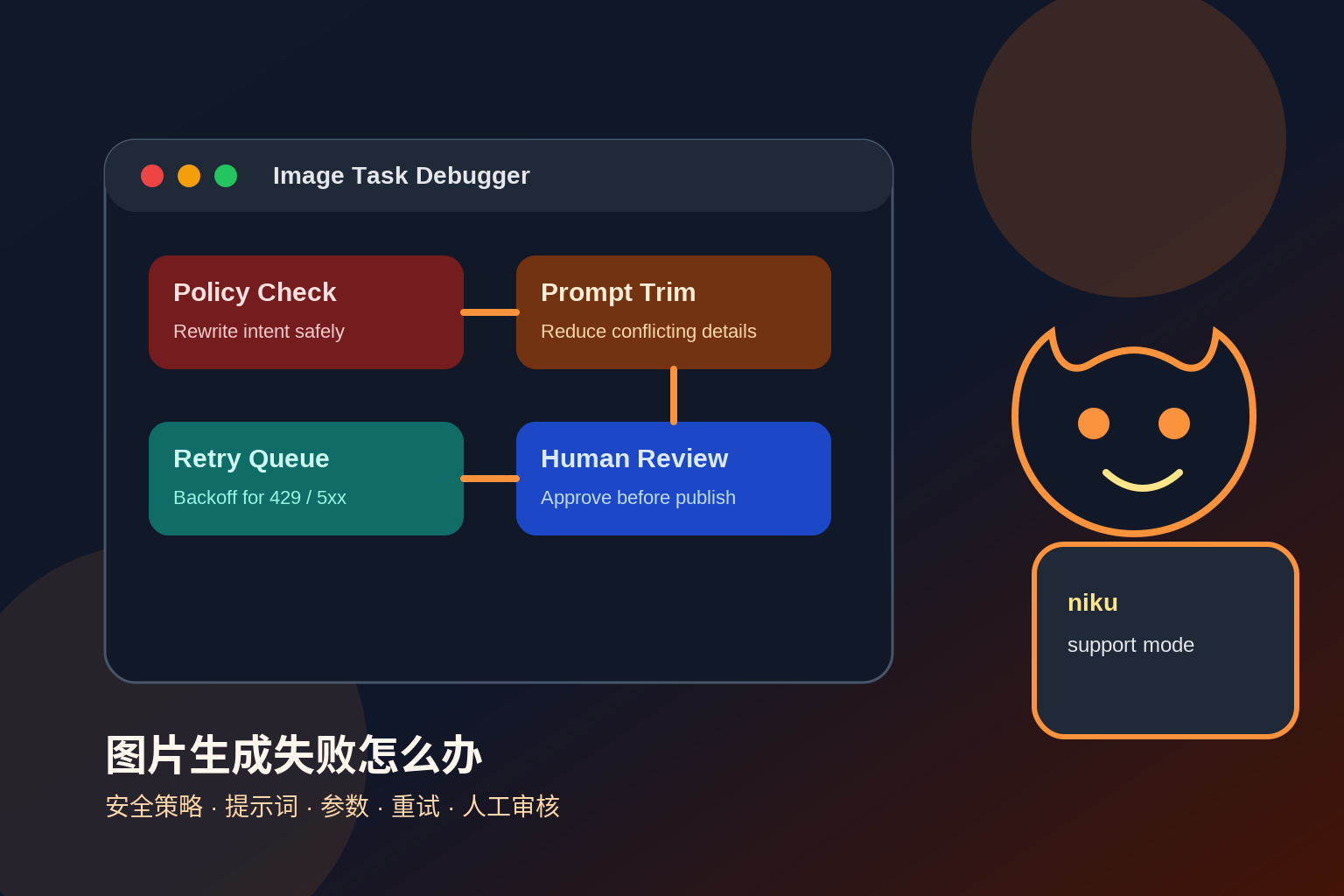
A practical troubleshooting workflow for AI image generation failures: safety policy, prompt design, API parameters, async jobs, retries, cost control, and human review.

Turn a title, summary, and platform requirements into reusable Xiaohongshu covers, carousel cards, and X/Twitter post images with AI generation, safe zones, cropping, and human review.

A practical workflow for turning article titles and summaries into WeChat Official Account cover images: 900×383 headline covers, 383×383 sharing cards, and 1283×383 combined assets.

A practical beginner guide to text-to-image generation, reference-image editing, Base URLs, b64_json outputs, cost control, and troubleshooting with an OpenAI-compatible image API.

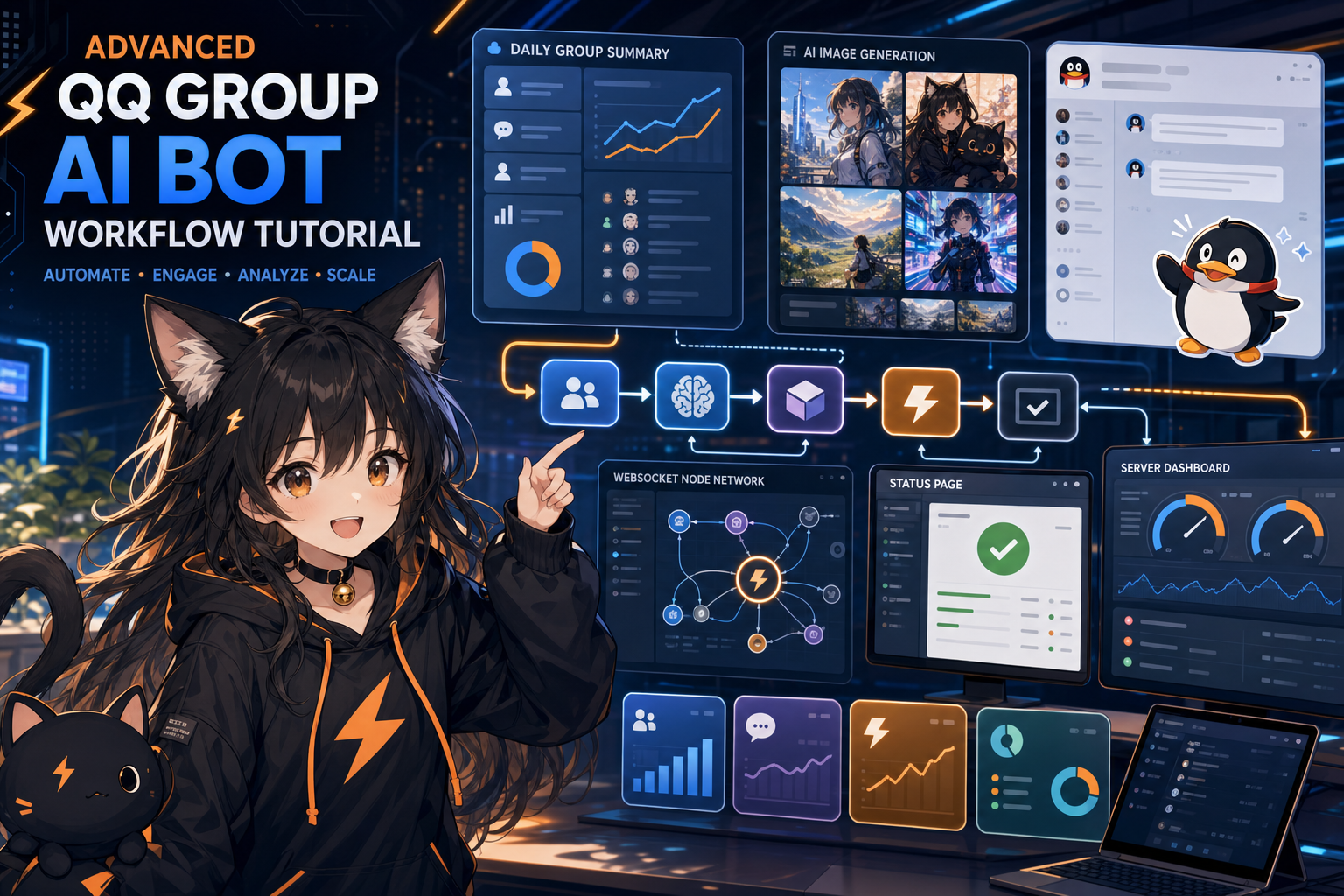
A practical engineering guide for building a maintainable QQ group AI bot with NapCat, OneBot v11, NoneBot2, model APIs, daily summaries, image generation, status screenshots, rate limits, and troubleshooting.

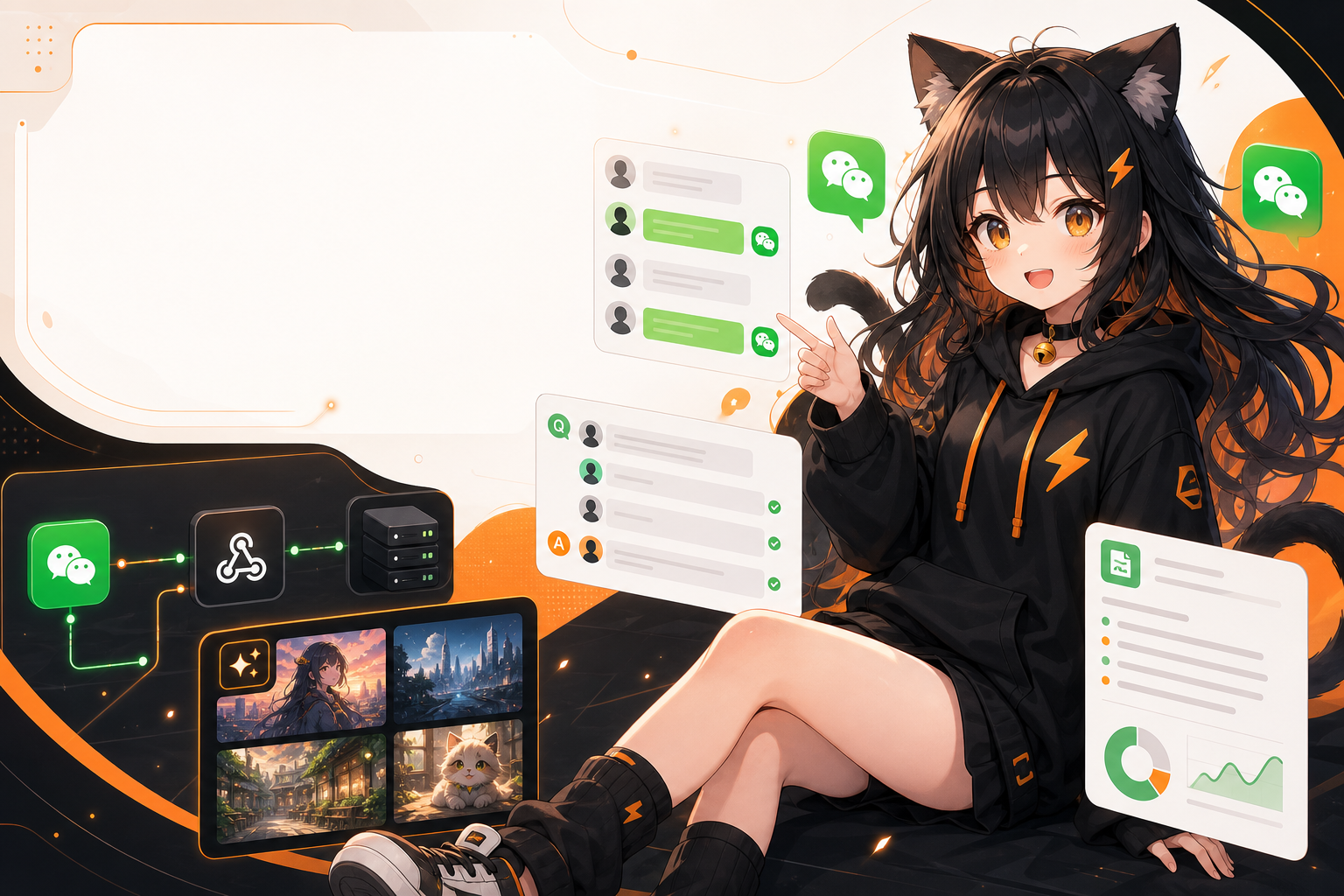
Article 17 in the AI Agent hands-on series: design a WeChat group AI assistant with group Q&A, scheduled summaries, image generation, permissions, logs, and cost control.

Article 16 in the AI Agent hands-on series: build a practical PDF summarization workflow covering extraction, OCR, chunking, prompts, citations, and risk notes for contracts, academic papers, and manuals.
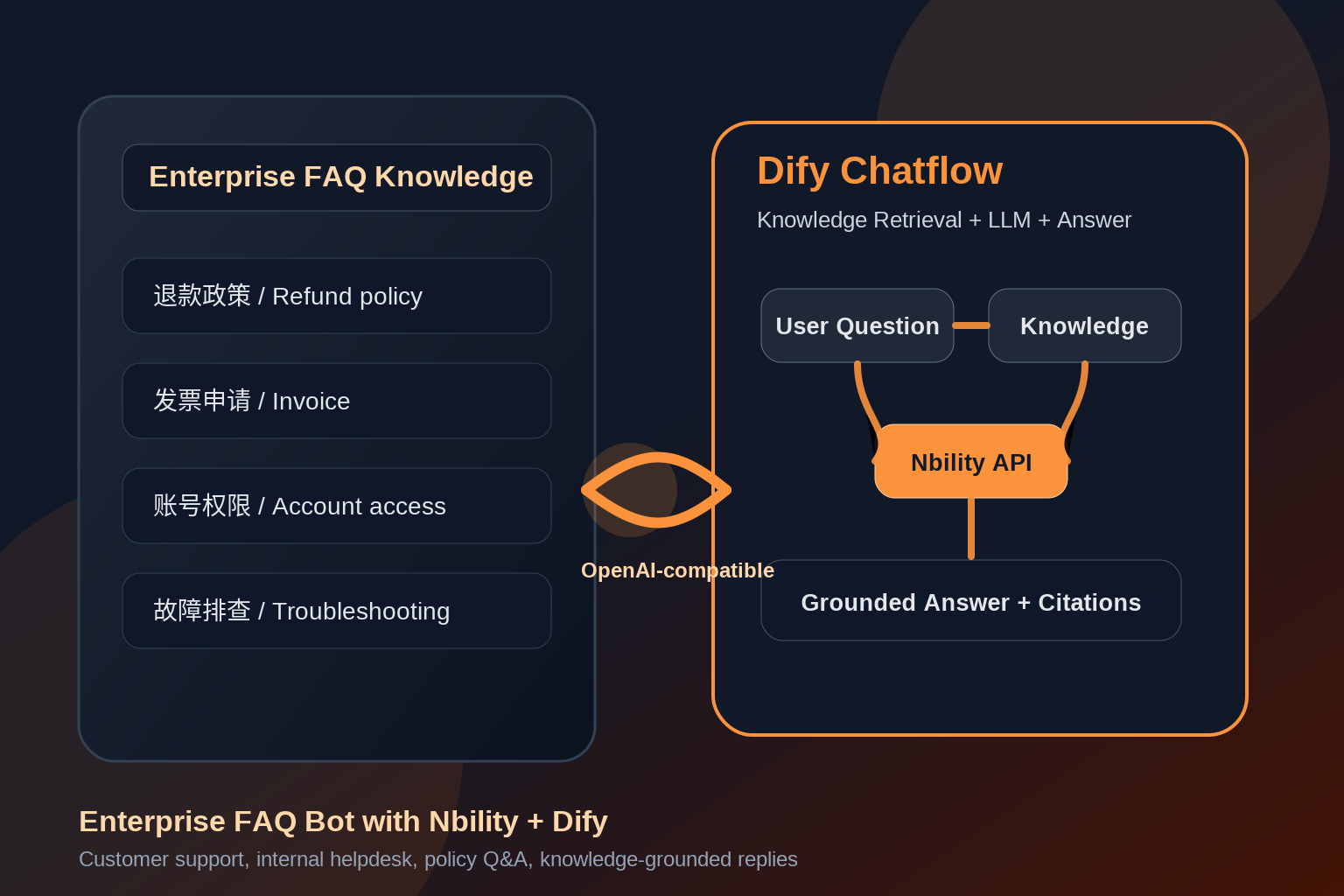
Article 15 in the AI Agent hands-on series: use Dify Knowledge, Chatflow, and an OpenAI-compatible model endpoint to build a grounded enterprise FAQ bot with citations, escalation, and cost control.
Part 14: connect AI to Feishu group chats for Q&A, daily summaries, reminders, and token-cost control.
Part 13: combine n8n schedules, webhooks, messages, and Nbility model APIs into practical automation workflows.