Part 5 of the AI Agent Getting Started series: deploy OpenClaw on a VPS, install Node/npm and the CLI, run onboarding, configure a model API, open the Web UI, connect messaging channels, and keep the Agent alive with systemd.
Record actual chunk boundaries with FFmpeg, map local transcription times back to the original recording, and handle overlap and speaker labels carefully.
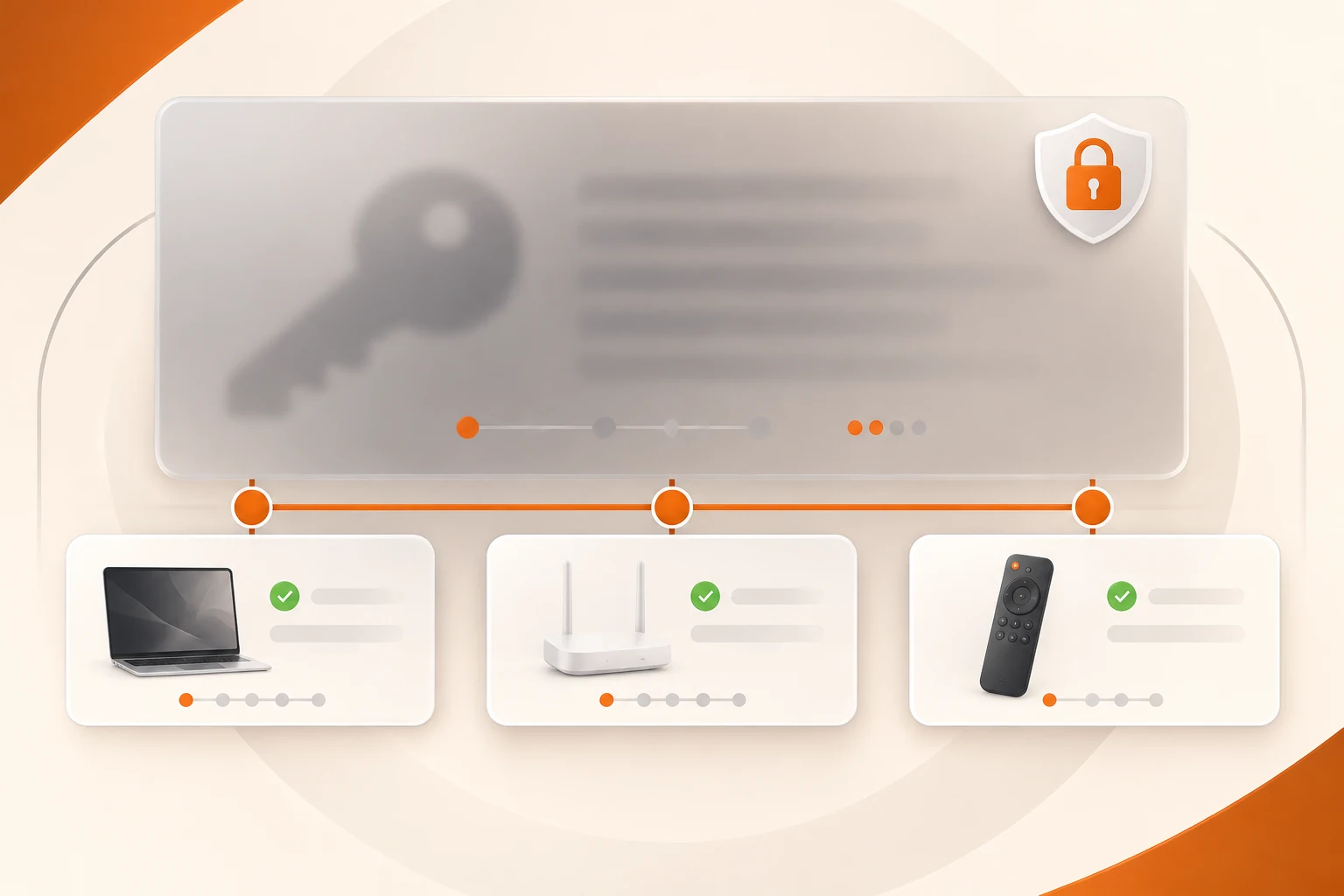
Build a minimal failure record across client, model gateway, and tools, then remove credentials, signed URLs, private content, and unsafe error text before sharing.
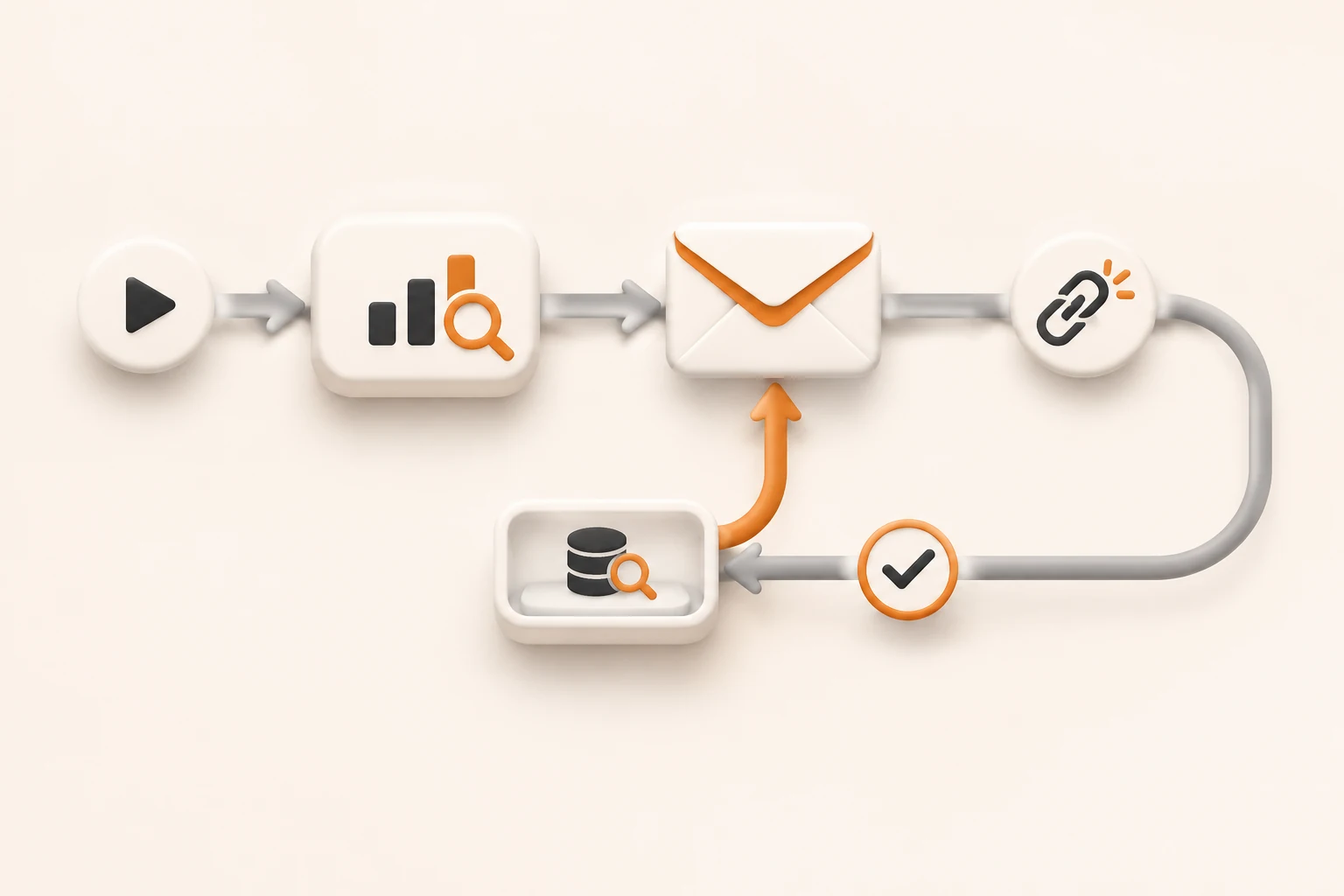
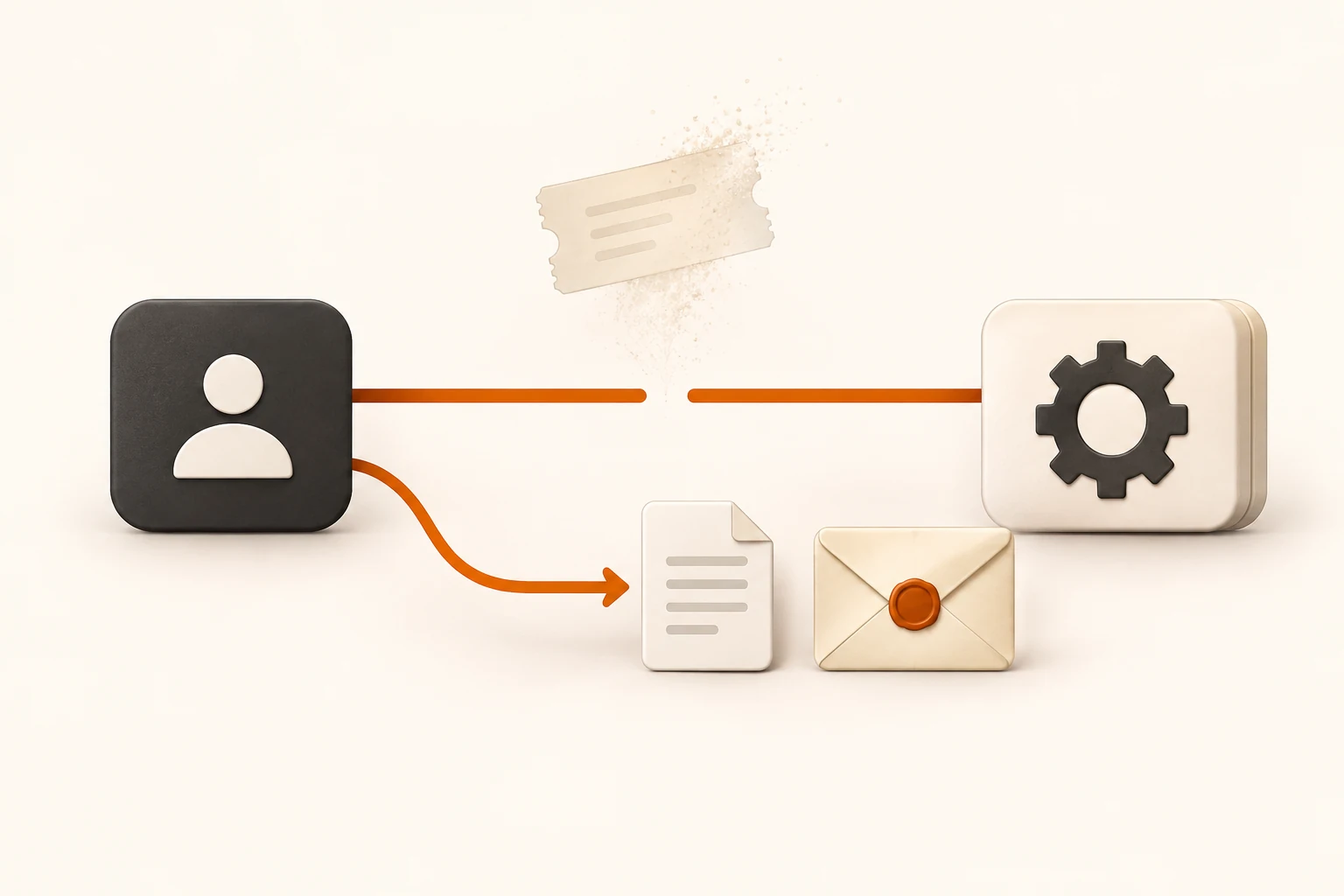
Separate workflow failure from external action failure, preserve operation state, and test recovery in a copy before resending messages or repeating writes.
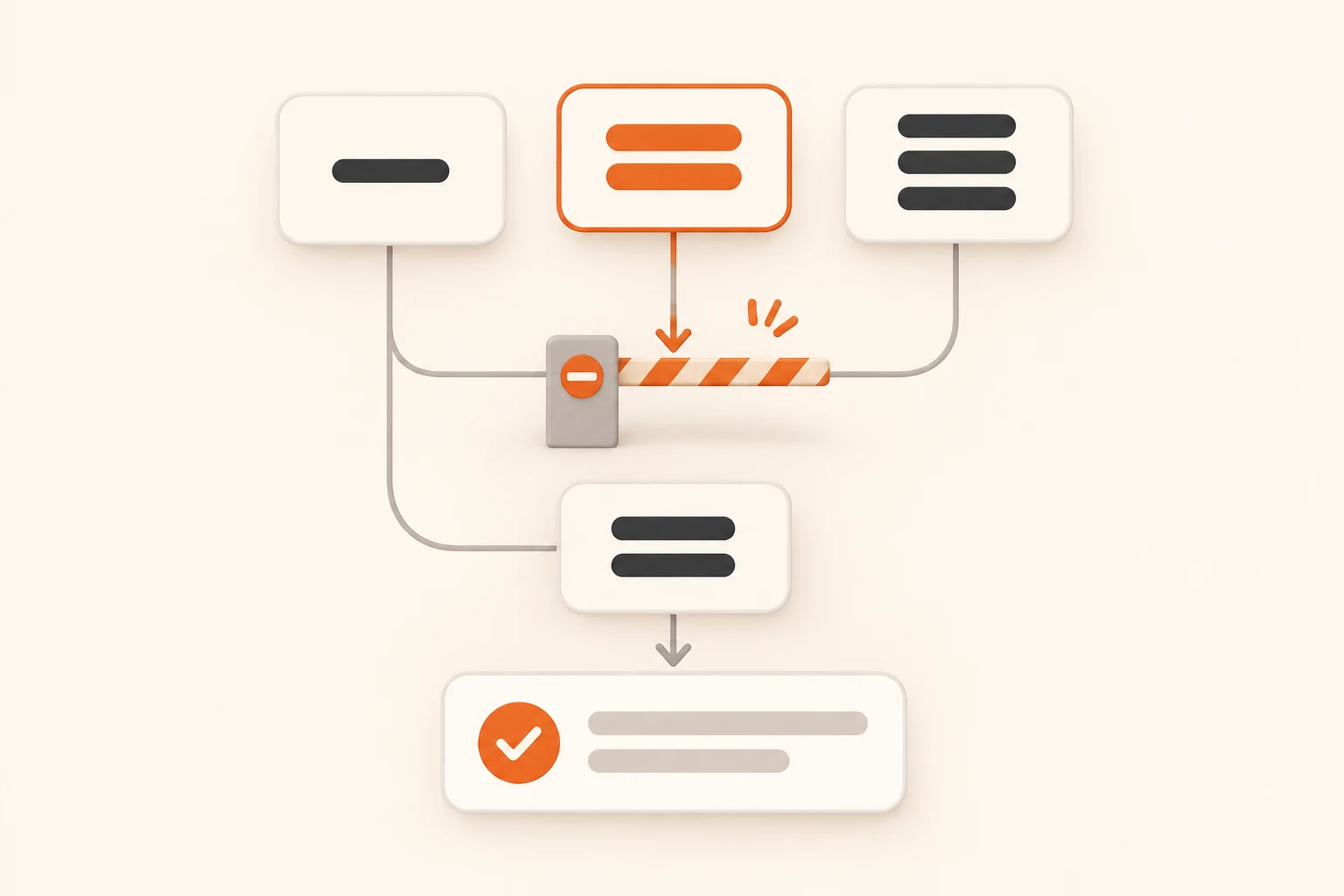
Treat retrieved documents and tool errors as untrusted data, enforce permissions outside the model, and check sensitive actions with an isolated acceptance plan.
Use public tasks, explicit completion checks, and controlled conversation history to investigate quality changes without turning one bad answer into an identity claim.
Distinguish key-visible models, display aliases, outgoing IDs, and capability settings, then verify the actual operation instead of trusting a model picker.
A local example separates UTF-8 decoding, SSE framing, and application parsing, covering split characters, multiline data, comments, and incomplete events.
Separate the SillyTavern interface, model backend, hosting, and website membership before configuring a minimal connection and checking an actual reply.
Diagnose Connection closed and 404 errors across two generations of Streamable HTTP. Check SDK state, verify a fresh connection with a local read-only tool, and avoid repeating an uncertain write.
Trace unknown token and cost totals in OpenClaw, check stable versus beta behavior, preserve transcript evidence, and distinguish measured subtotals from complete billing.
Diagnose unsupported reasoning levels in OpenCode by separating model defaults, selected variants, V1/V2 configuration, and the field actually sent to your endpoint.
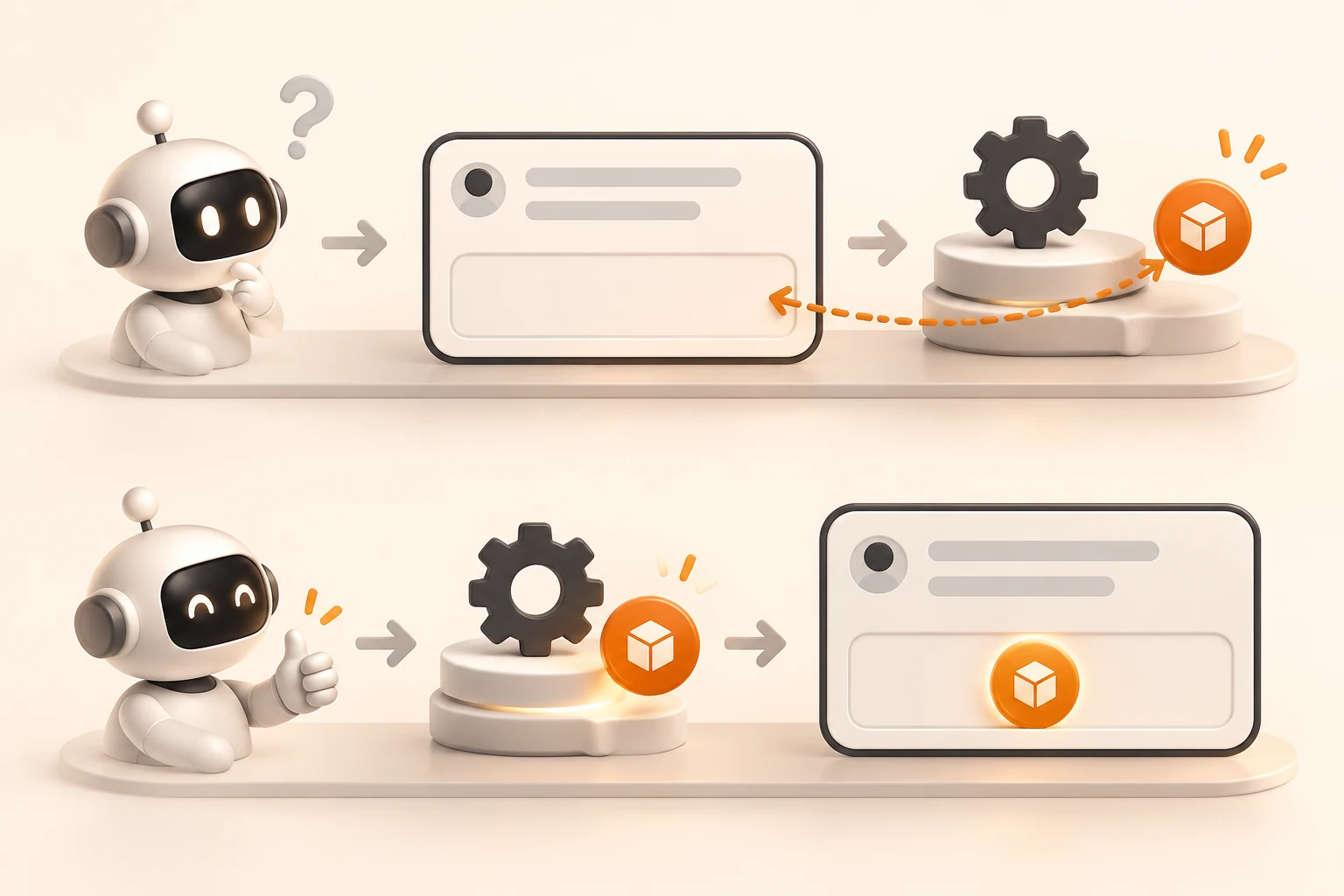
Trace empty Agent observations back to the matching tool run, inspect legacy execution order, and test v1 in a copy before repeating actions or changing production.
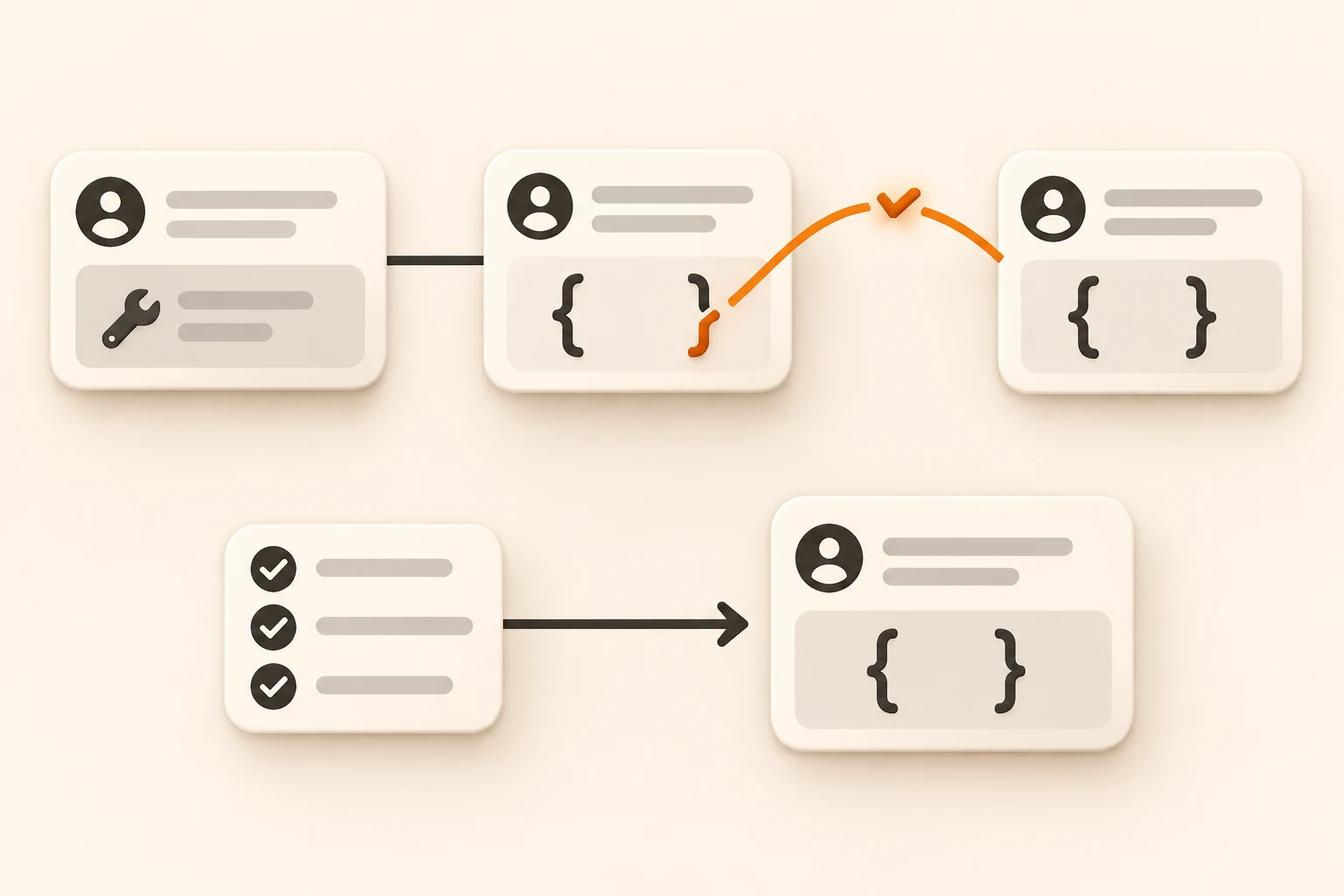
When response.incomplete is followed by repeated tool-argument JSON errors, inspect the stream, the call, and replayed history before continuing the task.
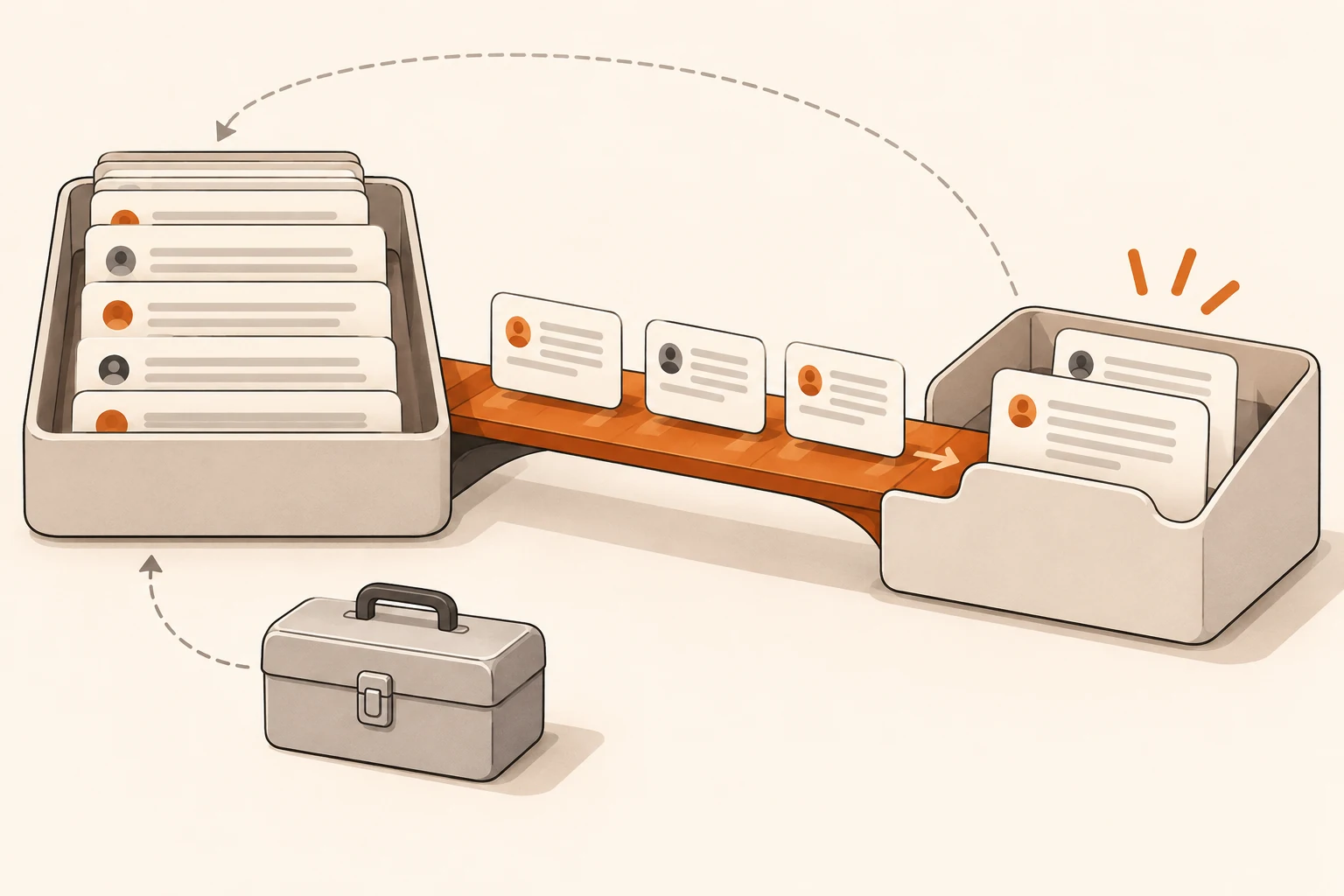
Keep a T3 Code task moving after a provider switch. Understand v0.1.7's selected history, context allowance, attachment limits, and runtime boundaries, then verify the receiving agent can continue.
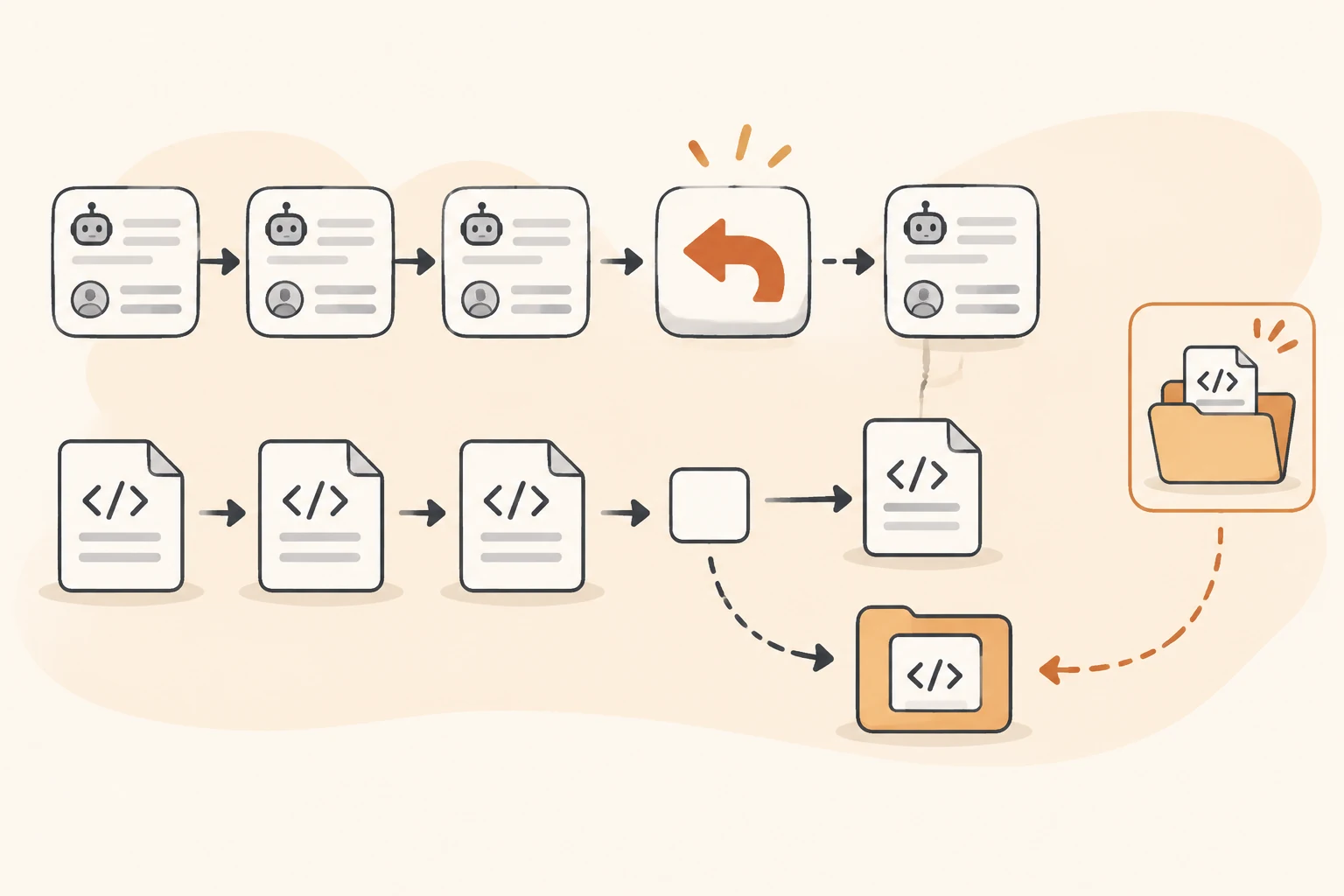
Understand Edit from here in T3 Code v0.1.7: conversation rewind, file checkpoints, isolated-worktree errors, and the checks to make before restoring untracked or manually edited files.
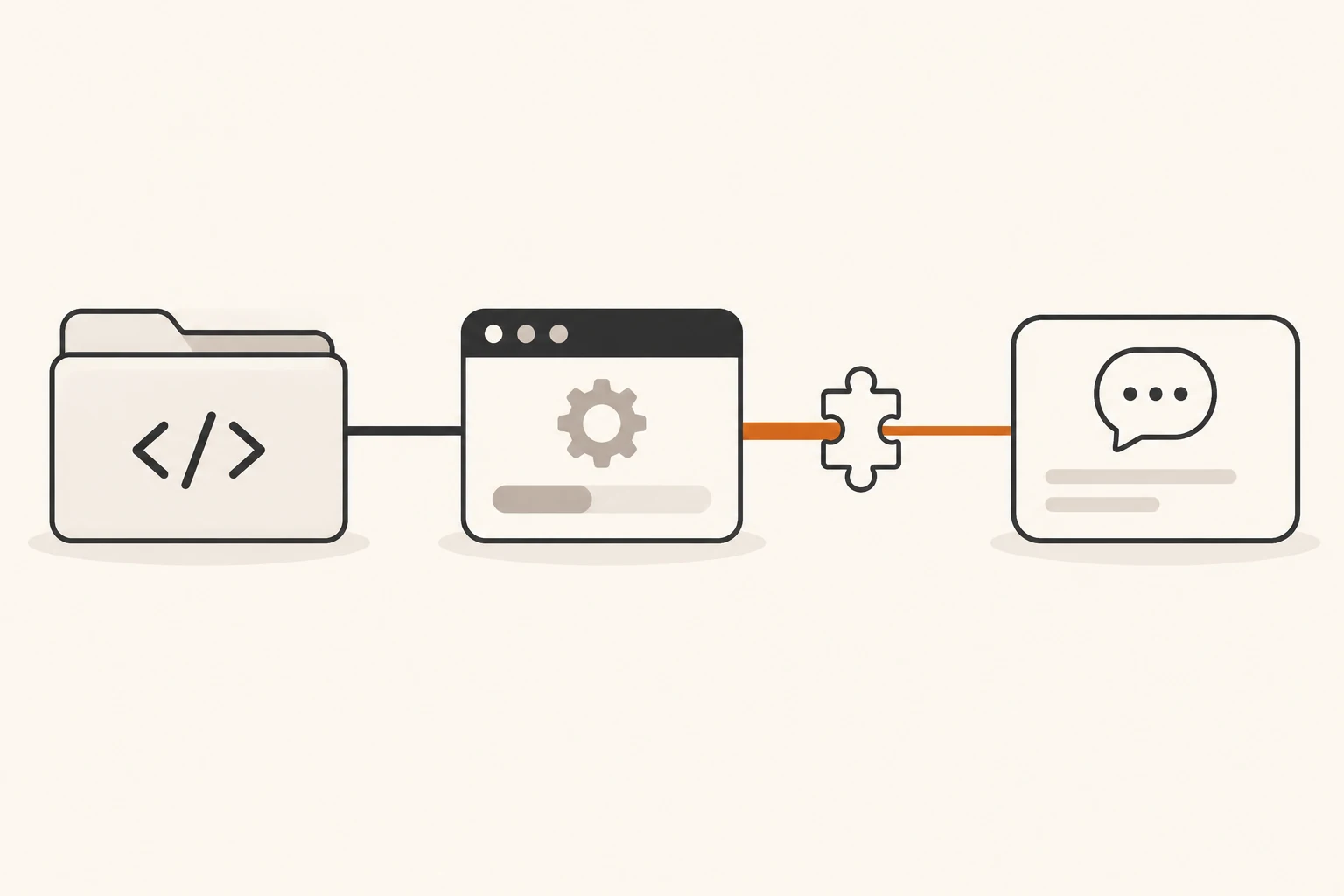
Diagnose T3 Code workspace preparation by checking Git creation, setup commands, completion signals, and saved Actions. Includes a read-only worktree diagnostic.
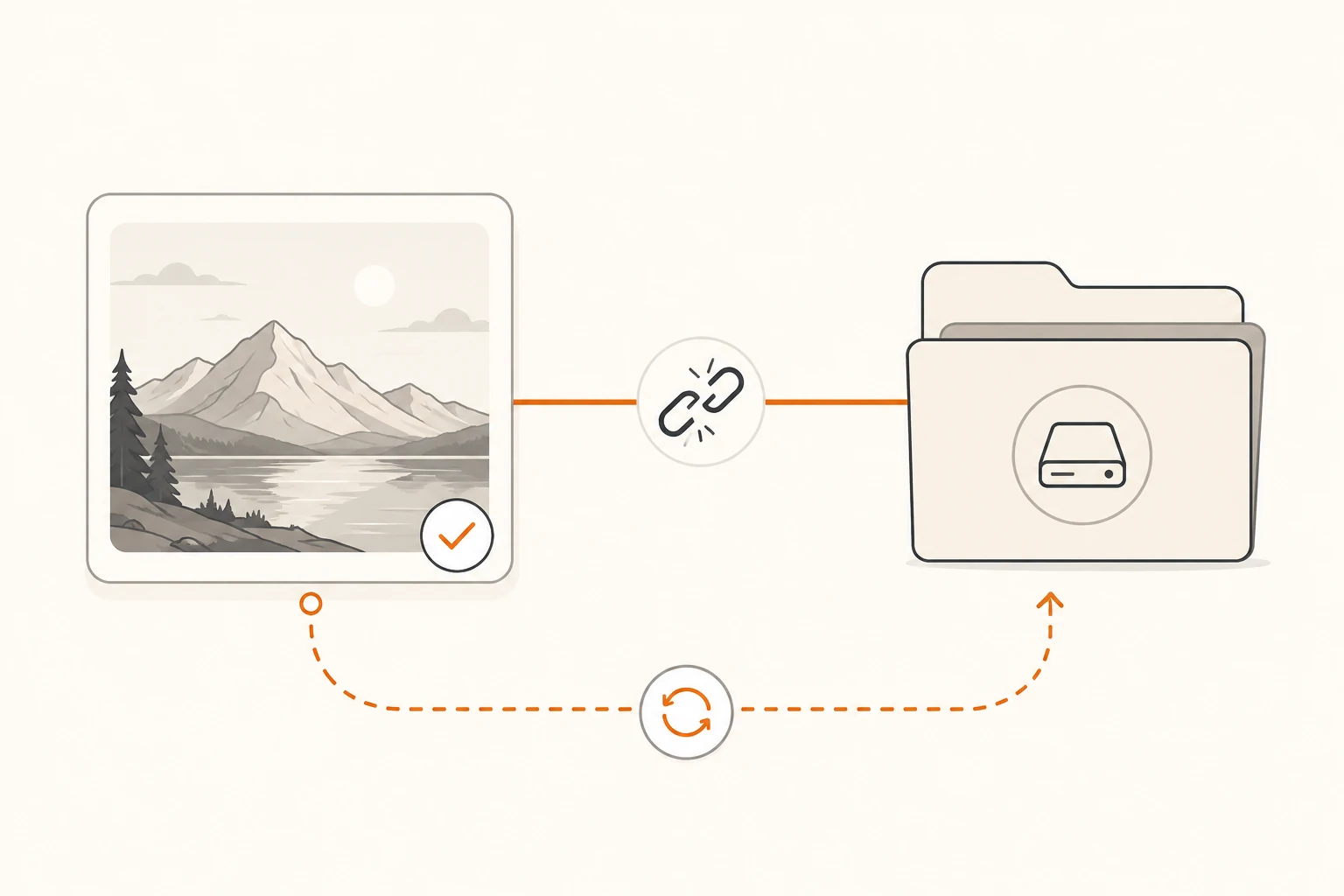
Separate image submission, task polling, and file downloads. Resume by task ID, save URL or Base64 results, and validate files before retrying generation.
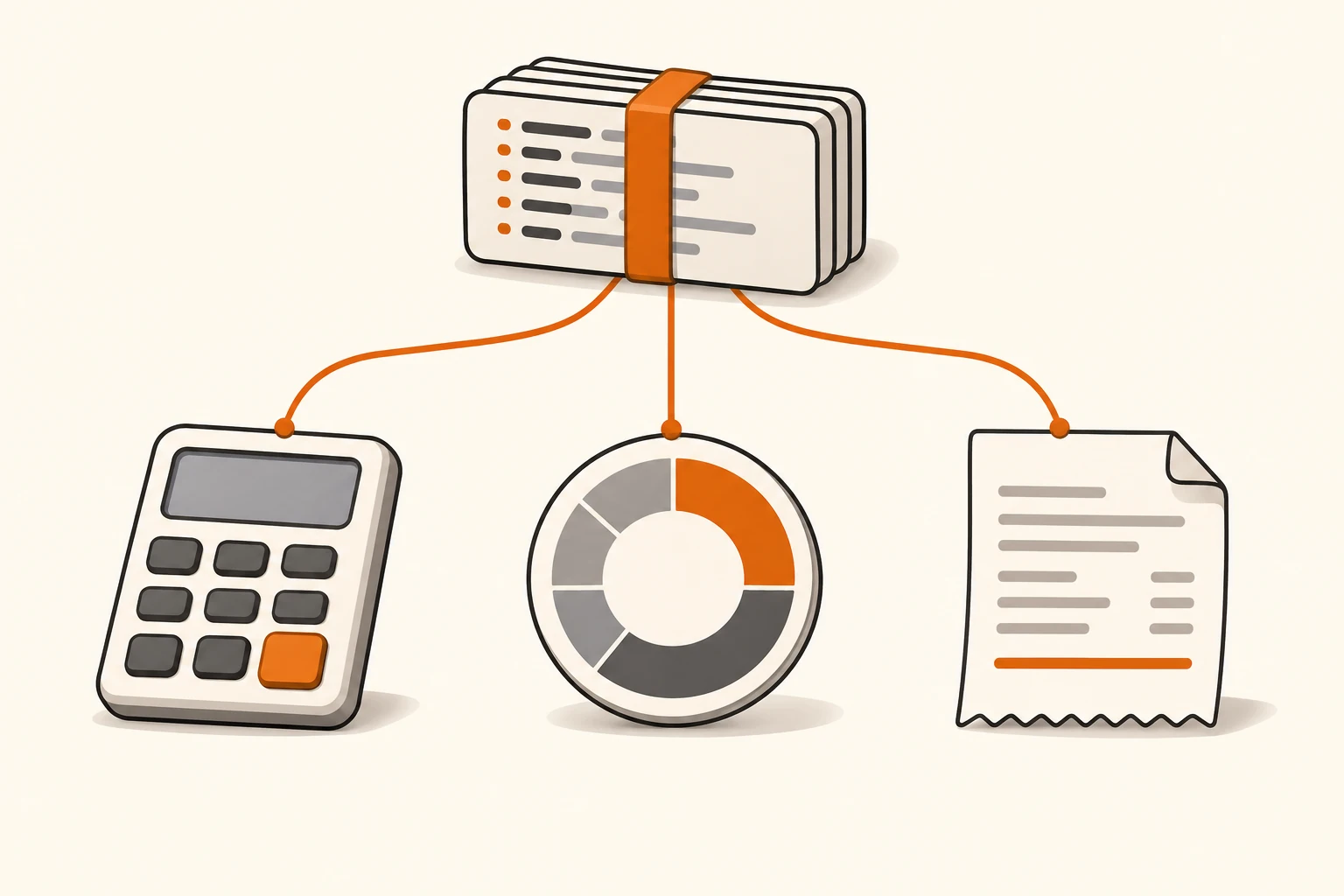
Separate T3 Code API-equivalent estimates, subscription limits, and actual charges. Audit Unpriced models, cache rates, and multi-environment history with a reproducible example.